
One afternoon last week, I stood on my Pittsburgh porch holding a ruler against a vase of 'premium' stems that looked suspiciously shorter than the 60 cm promised online. It was a humid afternoon, the kind of day where the air in USDA Plant Hardiness Zone 6b feels like a wet wool blanket, and I was already losing my patience with the delivery driver who had left the box in direct sun. I am not a floral designer, but as an HR consultant who spends forty hours a week auditing payroll and compliance records, I know when a contract has been breached.
The Audit That Started with a Sneeze
My transition from a casual gift-giver to a floral auditor began back in March 2023, during my mother's seventieth birthday. I had ordered a cheerful mix of sunflowers and daisies—flowers that are generally safe and vibrant. Instead, the service delivered a massive arrangement of white lilies. While beautiful to some, Lilium species are notorious for being heavy respiratory allergens. My mother spent the entirety of her milestone party sneezing and wiping her eyes, eventually having to move the bouquet to the garage just so she could breathe. That was the day I started the spreadsheet.
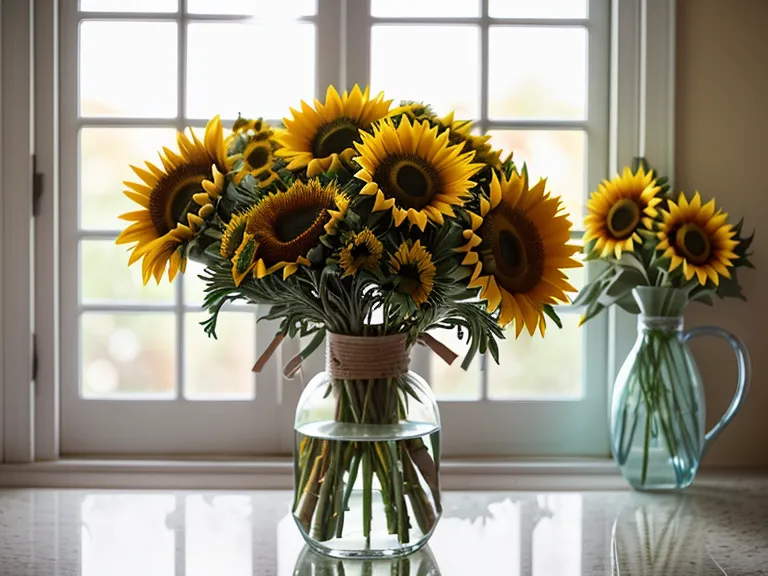
Since that afternoon, I have tracked every delivery I have sent—over sixty-five bouquets to date. I document the delivery date, the recipient's relationship to me, the promised species versus what actually arrived, and a side-by-side photo comparison of the website thumbnail against the reality on the porch. I have sent sympathy bouquets to my cousins' funerals, celebratory arrangements for baby showers across all 4 contiguous US time zones, and a steady stream of apology deliveries to my sister-in-law two states over. The data does not lie: the 'Florist's Choice' is rarely a choice made for the consumer's benefit.
The Anatomy of a Floral Substitution
In the world of flower delivery, 'substitution' is a word that does heavy lifting. Most people see the glossy photo of a dense, multi-tonal arrangement and assume they are buying that specific aesthetic. However, the fine print usually allows the fulfilling shop to swap out stems based on 'seasonal availability.' My spreadsheet reveals that this is often used as a license to downgrade the value of the order. I remember one specific delivery in mid-August where I had ordered high-end, scentless anemones for a friend with a sensitive nose. What arrived was a cluster of orange marigolds. The sharp, peppery scent of cheap marigolds that were substituted for the scentless, high-end anemones I actually ordered filled her small apartment instantly, triggering a headache rather than providing comfort.
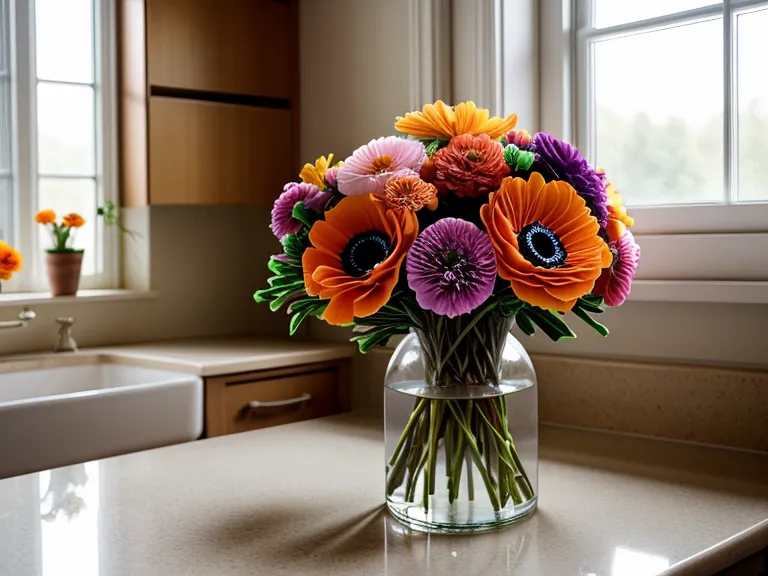
The downgrades aren't just limited to the species. I started measuring stem lengths and counting focal flowers. When a site promises 'long-stem' roses, they should be approximately 60 cm. More often than not, my measurements show stems closer to 40 cm, which significantly changes the architecture of the arrangement. I also began tracking vase quality. I have watched services quietly swap out the heavy, tapered glass vases shown in their marketing for thin, cylindrical plastic alternatives that look like they belong in a hospital cafeteria rather than a dining room.
The 'Deluxe' Upgrade Myth
One of the most consistent disappointments in my audit has been the 'Deluxe' or 'Premium' upgrade option. Usually, this costs an extra $15 to $25. In early spring, I tested this by sending a 'Deluxe' birthday bouquet to a colleague. When she sent me a 'thank you' photo, I cross-referenced it with the standard version. I was looking at a 'deluxe' upgrade that added only three stems of leather leaf and thinking, 'I've seen more generous garnish on a side salad.' It was a stark reminder that these upgrades are high-margin add-ons for the service, providing very little tangible value to the recipient.
Local Florists vs. National Wire Services
There is a common piece of advice that says you should always 'call a local florist directly' to avoid the pitfalls of national services. My data from the last ten months—specifically from late last November through this past August—suggests this is a half-truth. While local shops often have fresher stock, many small businesses in suburban areas actually outsource their last-minute or high-volume orders to the same third-party wire networks used by the big national brands. You might pay a premium for 'local' service, but if the shop is overwhelmed, they simply transmit your order through a relay system.
Floral wire services typically charge a relay or transmission fee to the local florist who actually assembles the bouquet. This means if you spend $80, the person actually touching the flowers might only be seeing $55 of that after the service takes its cut. This economic pressure is exactly what leads to the 'seasonal greenery' trap—filling the vase with cheap filler like baby's breath or waxflower to make up for the missing value of the focal blooms. In my system to audit every flower delivery, I’ve noted that the most reliable results actually come from national services that have dedicated fulfillment centers in major hubs, rather than relying on a fragmented network of small shops with varying inventory.
Timing and the Logistics of Freshness
The most critical factor in my spreadsheet isn't just what arrived, but how long it lasted. I have found that flowers delivered in the morning tend to have a 20% longer lifespan than those delivered in the late afternoon. This is partly due to temperature fluctuations and partly due to the exposure to ethylene gas. Ethylene gas produced by ripening fruit or even the exhaust from a delivery van can cause cut flowers to wilt and drop petals prematurely. If a bouquet sits in the back of a van for six hours on a Tuesday in July, it is effectively dead on arrival, regardless of how 'fresh' it was when it left the shop.
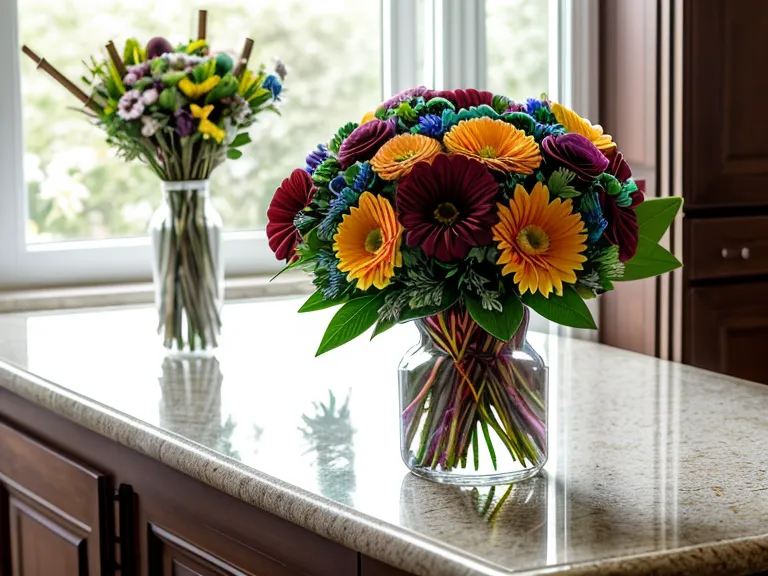
I have also tracked the same-day delivery window. In mid-August, I placed three orders for same-day delivery to different zip codes in the Pittsburgh area. Only one arrived before 5:00 PM. The others trickled in as late as 8:30 PM, long after the 'surprise' element of a birthday delivery had passed. When you are paying a $14.99 or $19.99 'expedited' fee, you are paying for a window that these services frequently miss without offering a refund unless you call and complain—which, as an HR consultant, I always do.
From Frustration to Empowerment
Maintaining this spreadsheet might seem like a lot of work for a few vases of carnations, but it has changed how I spend my money. I no longer buy into the 'Designer's Choice' because I know it's usually a way for the shop to clear out old inventory. I no longer pay for the 'Deluxe' upgrade unless the description explicitly states the number of additional stems. Most importantly, I have learned which services actually respect the recipient. My sister-in-law has received a steady stream of apology deliveries over the last year, and because of my tracking, I can finally be sure she’s getting the actual lilies-free peace offering I paid for.
We live in an era where the photo on the screen is treated as a suggestion rather than a contract. By keeping a record, I’ve taken the guesswork out of the process. I am no longer surprised when a bouquet arrives with a plastic vase or shorter stems; I am simply prepared to hold the service accountable. If you’re tired of sending flowers that look like a sad version of what you ordered, start your own audit. The ruler and the camera are your best tools for ensuring that what you pay for is actually what lands on the porch.