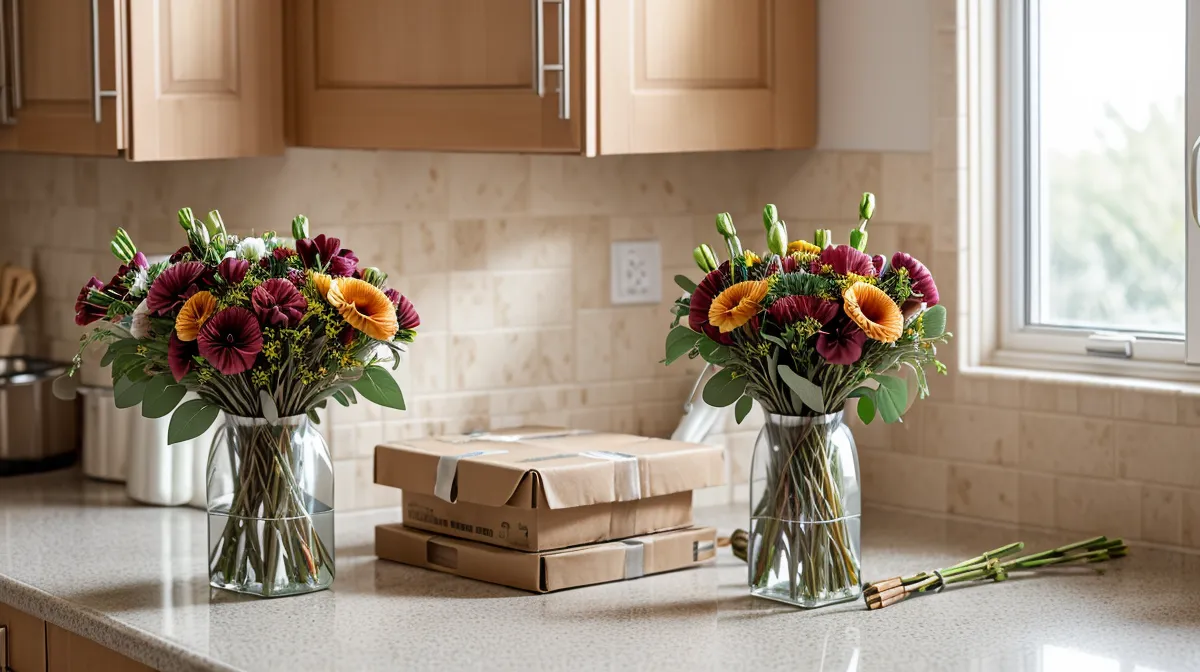
Forty-six of the seventy deliveries logged in my flower spreadsheet show a porch photo that fully matches the listing thumbnail I bookmarked before checkout. The other twenty-four are where this whole project started, including the sunflower-and-daisy mix that arrived as a wall of lilies for my mother's seventieth birthday and sent her sneezing through her own party, since nobody called or emailed to say the substitution was happening. That gap between promised and delivered is what turned a one-time complaint into an ongoing run of flower delivery reviews, logged the way I once logged workplace complaints for clients: date, what was promised, what showed up, and whether anyone owed an apology. This piece is the consumer advocacy version of that audit, a floral service comparison built from real gift-sending occasions my own family generated, not from a press kit.
Here is the business side before anything else. Most of the links below are affiliate links, and if you order through one, I earn a commission at no extra cost to you. None of that changes what gets logged in the spreadsheet. Every one of the seventy bouquets was paid for out of my own pocket for a real occasion, a cousin's funeral, a baby shower, a sister-in-law who needed an apology sent across state lines, and the rating a service gets here reflects what showed up at the door, not what the commission rate looks like on my end.
Building a Flower Delivery Reviews Spreadsheet That Tracks Reality, Not Marketing Photos
Every row in the spreadsheet tracks the same six columns: the listing photo, the delivery photo, whether the species matched, whether the vase matched, whether the order beat its same-day cutoff, and whether the delivery confirmation lined up with the actual knock on the door. A service can score well on four of those and still lose my trust on the fifth, which is usually the vase. I have watched a heavy glass vessel in a listing photo turn into a plastic cup that looks borrowed from a deli counter, and that downgrade alone has cost more than one service a repeat order from me. Shipping across time zones adds its own column, since a baby shower for a college friend tends to land somewhere I have never set foot, and I wrote up the mechanics of that separately in National Flower Delivery Services: My Notes on Shipping Across States.

A same-day order only counts as a true test if it clears the cutoff printed on the vendor's own page, usually sometime in the early afternoon depending on the ZIP code, and I log the exact minute I placed the order against the promised window every time rather than trusting a general "delivers today" banner.
One of the plainer entries in that log belongs to a friend who throws hand-built pottery at a studio in Lawrenceville. I sent her a birthday bouquet as one of the test orders, and the delivery photo she sent back lined up with the listing almost exactly, which is the outcome every single row is supposed to have and so rarely does. A cleaner example came from my own mother: a text arrived forty minutes after the delivery confirmation ping, a photo of the arrangement sitting on her counter that matched the bookmarked thumbnail closely enough that I didn't need to zoom in to check it. Those two rows are the baseline every other service gets measured against.
FTD and Teleflora: What the Hub-and-Spoke Model Actually Delivers
FTD and Teleflora both work on what the industry calls a hub-and-spoke model, meaning the order gets routed to whichever local florist is part of the network in that ZIP code rather than shipped from one central warehouse. The upside is speed and a real vase in someone's hands the same afternoon. The downside is that quality depends entirely on which partner shop picks up the ticket that day, and the substitution policy differs by brand even when the marketing language sounds identical, a distinction that matters enough that I keep a separate running reference on which service actually documents its substitution rules and which one leaves you guessing.
Early on, before the spreadsheet existed, I grabbed a Teleflora-branded arrangement from a self-service kiosk at the grocery store instead of ordering through the actual site, and the box arrived with the blooms crushed flat against the inside of the lid, nothing like the photo on the kiosk screen. That one experience is why every order since has gone straight through the vendor's own page rather than any third-party kiosk or marketplace listing. Ordering Teleflora directly has been a different experience entirely. When I sent sympathy flowers to a cousin one summer, the arrangement arrived hand-delivered in a heavy ceramic vessel that matched the listing color and shape, which matters enormously when the recipient has no time to hunt down a vase before a service starts.
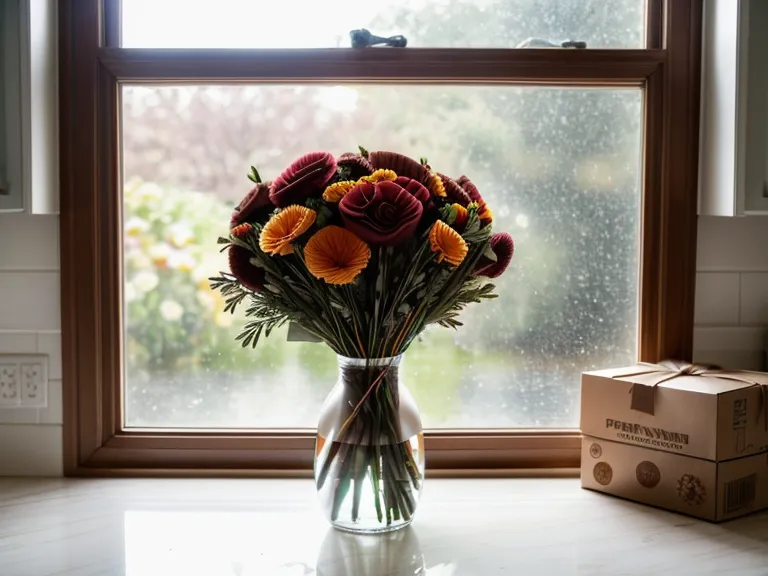
FTD's own substitution policy is one of the more transparent ones I have read, which matters because "Designer's Choice" on almost every competing site can mean whatever the local florist happens to have too much of that morning. Transparency on paper does not eliminate substitutions, and my log shows FTD swapping species more often during holiday weeks than any slow-season month, but at least the policy tells you that risk exists before you pay for it. Anyone sending flowers to a recipient with allergies, the way my mother's lily mishap started all of this, should treat that substitution language as mandatory reading rather than fine print, since the alternative is hoping the local florist remembers a note typed into a special-instructions box.
Why From You Flowers Keeps Beating Pricier Competitors on Tracking
From You Flowers is not the most expensive name in my spreadsheet, yet it has posted some of the most reliable delivery-confirmation tracking of any service I have tested, especially during the stretch of late spring when every competitor is slammed with graduation orders. A few national competitors have left me checking my phone and wondering whether a box ever reached the porch until a friend texted a thank-you, while From You Flowers sent a confirmation that lined up with the actual knock at the door closely enough to trust as a default. That pattern, a mid-tier price outperforming pricier names on the one thing that actually proves delivery happened, shows up often enough in my data that price tier alone tells you almost nothing about how good a service's tracking really is.
One baby shower for a college friend was held at Phipps Conservatory and Botanical Gardens in Schenley Park rather than a house, which meant the delivery needed directions to an event space instead of a street address, and not every service handles that kind of destination gracefully. Hospitals and venues tend to have their own intake rules for flower deliveries that a home address never triggers, which is a separate checklist I keep for institutional drop-offs. Sending across three time zones for that same circle of friends adds another layer, since a delivery window that reads as mid-morning on the vendor's site can land at a recipient's door well before anyone is awake if nobody accounts for the time difference.
Send Flowers earns a steady spot in the spreadsheet for ordinary occasions, reliable in major metro markets, but the substitution rate climbs noticeably once a delivery address lands in a rural ZIP code, with roses turning into carnations more often than the listing would suggest. I don't track balloon or candy add-ons as closely since they rarely get substituted the way flowers do, but when they do appear in an order, fulfillment tends to depend on whatever local partner is already handling the florals. For the full breakdown of substitution rates by ZIP density, I keep a running answer list in The Flower Delivery FAQ: What My Substitution Spreadsheet Taught Me After 70 Orders.
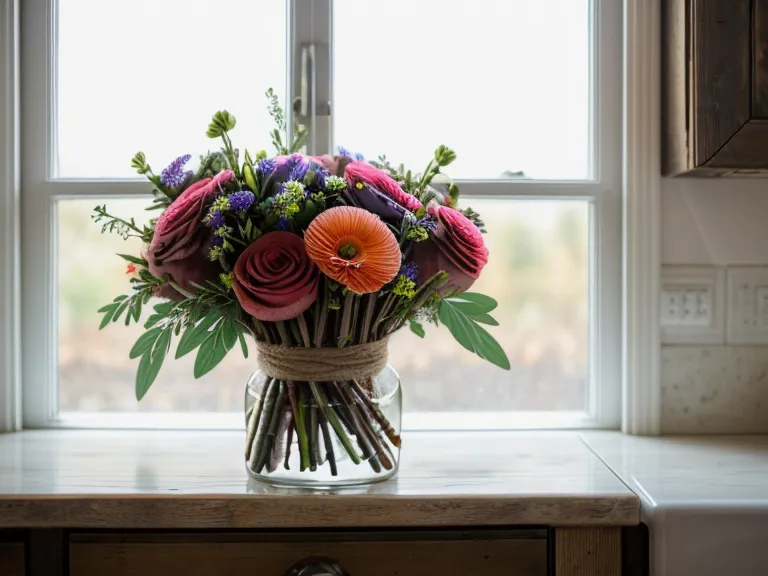
ProFlowers and the Box-Shipped Tradeoff
ProFlowers ships a different way entirely, arriving in a cardboard box with stems wrapped in a moisture-retaining sleeve instead of a finished arrangement in a vase. The first look is unimpressive: tight buds, a faint chill still on the box, nothing like the open, photogenic bouquet in the listing image. My sister-in-law told me this was one of her favorite deliveries three days after the box showed up, once the buds had opened into the fullest arrangement she said she had received from me all year, which is the entire point of buying flowers that ship in bud form rather than already blown open.
That three-to-four-day longevity gap over ready-to-display arrangements is the single clearest pattern in my entire spreadsheet, and it is the main reason I reach for a box-shipped order whenever the recipient has a few minutes to trim stems and add flower food. The tradeoff shows up on the other end too. By the time a hand-delivered bouquet is two days past its usable window, the water in the vase starts carrying a faint, almost sour note rising off the stems, a smell I now notice before I notice the drooping petals. Box-shipped flowers delay that moment by shipping in bud form straight from the grower rather than sitting in a local florist's cooler for however long the cooler has had them.
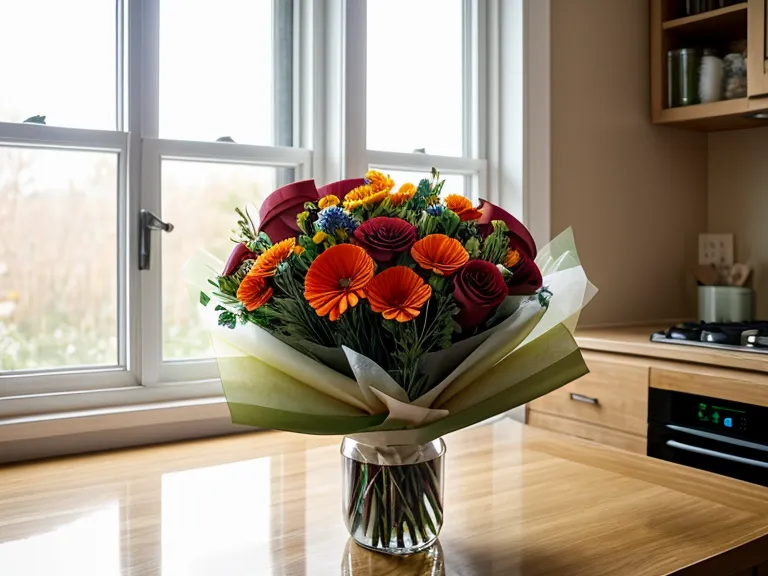
I have logged enough of these side-by-side comparisons that I wrote up a full year of them separately in The Spreadsheet Doesn't Lie: My Year Tracking Flower Substitutions and Delivery Windows, including the occasions where a box-shipped order beat a same-day hand delivery on pure longevity despite looking worse on arrival.
Which Service Should Get the Next Delivery?
The decision I make now comes down to three questions rather than one overall favorite. Does the recipient need a finished, vase-ready arrangement within hours, the way a funeral home or a busy household does? Then a hub-and-spoke service with a documented substitution policy and a same-day cutoff that fits the ZIP code wins, with the allergy note typed into the special instructions every single time. Does the recipient have ten unhurried minutes to trim stems, and would longer vase life matter more than first impressions? Then a box-shipped, farm-direct order is worth the less photogenic unboxing. Is the order headed somewhere I cannot personally verify, another time zone, a venue instead of a home, a pet in the house that rules out certain species? Then delivery-tracking accuracy and substitution disclosure matter more than price, and the mid-tier name with better tracking usually beats the premium name with vaguer promises.
Seventy rows will become eighty before long, since apology bouquets and birthday deliveries do not stop just because the spreadsheet is getting long. What stays constant is the habit of comparing the listing photo against whatever lands on the porch, because that comparison is the only leverage a buyer actually has once the box has already been signed for.
| Product | Rating | |
|---|---|---|
| FTD Editor's Pick | 8.9 | Read More → |
| From You Flowers | 8.7 | Read More → |
| Teleflora | 8.5 | Read More → |
| Send Flowers | 8.3 | Read More → |
| ProFlowers | 8.1 | Read More → |
FTD
Pros
- ▸ Massive network ensures delivery in almost any US ZIP code
- ▸ Same-day service is actually reliable for last-minute needs
- ▸ Transparent substitution policy helps manage expectations
Cons
- − Local florist quality can vary between neighborhoods
- − Higher-than-average species substitution during holiday rushes