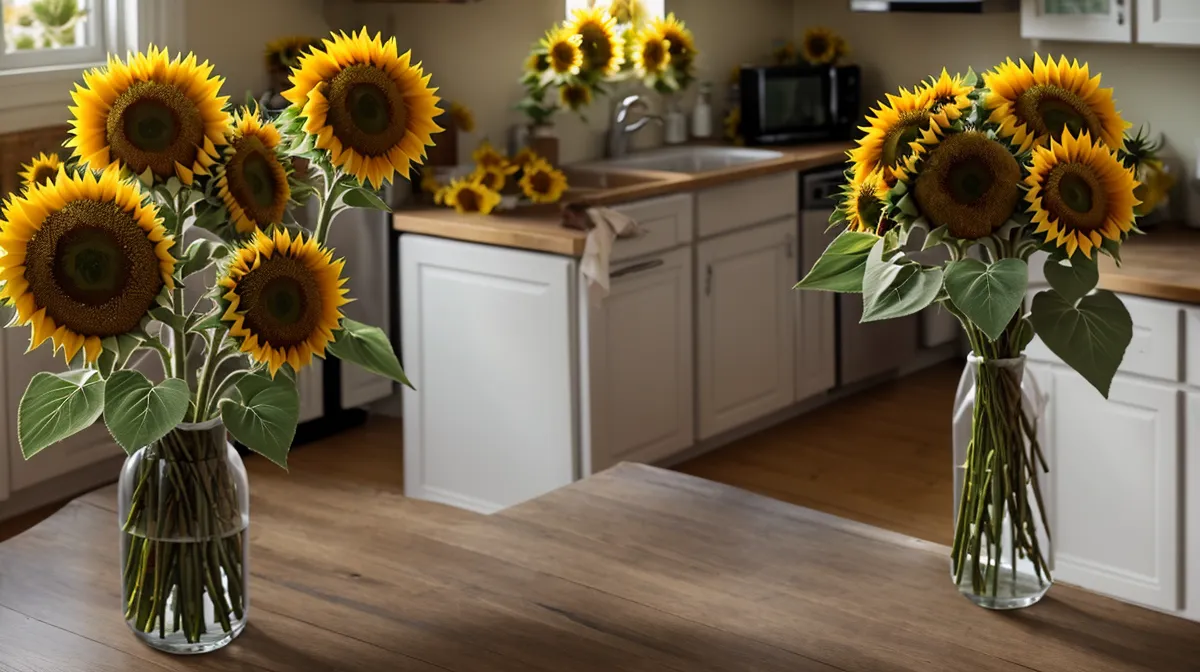
I don't trust florist website photos anymore, and I have sixty rows in a spreadsheet to prove it. My mother spent her seventieth birthday sneezing through her own cake because a delivery driver decided lilies were a fair substitution for the daisies I'd ordered. She's allergic, and I'd said so in the order notes. The shop decided volume mattered more than what I'd actually typed into that box.
A quick note before the rest of this: most of the service links below are affiliate links, and if you click through and order, I earn a commission at no extra cost to you. Every service mentioned here got paid for out of my own pocket across real occasions, my mother's birthdays, sympathy bouquets for cousins, baby showers for friends scattered across four time zones, and the apology arrangements my sister-in-law has received more than once. I started tracking these substitutions because documentation is half my day job anyway, and I got tired of paying for a photo that wasn't what showed up on the porch.
Why I Started Tracking Every Delivery Against Its Listing
Since that birthday, every flower delivery gets logged against its online listing: species ordered, species delivered, delivery window, vase condition. My laptop stays open to that sheet more often than not, propped near a window ledge I use as a flat, consistent background whenever a new delivery photo needs to sit next to the listing photo it's supposed to match. A corkboard nearby holds printouts of the worst mismatches, and a small stack of flattened delivery boxes sits in the corner because I keep meaning to compare them against each other and never quite get to it. By the sixth week of keeping that sheet, a pattern already had a shape: some services disclosed a swap before I'd even opened the box, and some never mentioned it at all.
One of the early mismatches pushed me to call a florist directly, one of the small shops along Murray Avenue in Squirrel Hill, to confirm they actually had a variety in stock before I committed to an order elsewhere online. About an hour before the delivery window, I was told they didn't have it after all. Calling ahead helps less than people assume.
What Does a Substitution Policy Actually Promise?
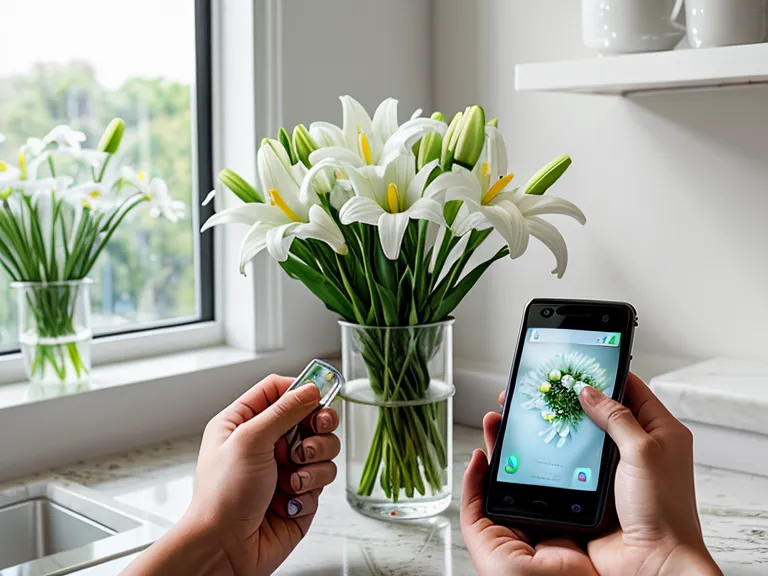
Most services bury a line near the footer reserving the right to substitute flowers of 'equal or greater value' when something isn't available. In my rows, that phrase usually means whatever's left in the cooler that day. Yellow tulips have arrived as cream carnations, and premium roses have shown up padded out with Gypsophila instead of more of the flower I actually paid for. FTD is the one service whose substitution policy I can read in full before I click buy, and its larger network of local florists means a request is more likely to get filled as listed in the first place. None of that closes the real gap, which is that a listing photo is a best case, not a promise, and you only find out how wide that gap is once a box is already sitting on somebody's porch. If you're ordering around an allergy the way I was for my mother, the listing almost never flags which species count as a safer substitution, so you end up confirming it yourself.
Price Doesn't Predict Delivery Accuracy
Paying more has never bought me a guarantee here. Some of the priciest arrangements in my sixty rows arrived just as swapped as the cheap ones, only wrapped in nicer packaging. A high price tag tells you about the florist's margin, not about whether the box will match the screen.
Getting a Delivery Past the Front Desk
Apartment buildings with a locked lobby or a strict concierge are their own category of problem, and most reviews skip them entirely. A guaranteed-same-day banner means nothing if the driver can't get past the front door. Hospitals and some assisted-living buildings add another layer on top of that, with their own rules about what a front desk will or won't hold on a patient's behalf. Mailrooms carry a hazard of their own too: a box of ripening fruit sitting nearby can release enough Ethylene to wilt flowers that would otherwise have lasted. For deliveries like this, From You Flowers has given me the most accurate delivery confirmation tracking across my rows, which matters when the only way to know your flowers survived the lobby is a text from whoever finally picked them up. A handful of services now bundle balloons or a box of chocolates into the order page, and those add-ons arrive intact far more reliably than the flowers do, probably because nobody feels entitled to substitute a balloon.
Can Same-Day Delivery Survive a Time Zone Change?
Sending something for reliable same day flower delivery across the country means watching somebody else's clock, not your own. Most cutoffs sit around early afternoon in the recipient's time zone, and missing it by twenty minutes can push an order to the next day with no warning. Out-of-state sympathy orders carry extra risk on top of that, since the funeral home's own schedule, not just the courier's delivery window, often decides whether flowers make it in time. I missed a cutoff once trying to reach a cousin's funeral and only made the deadline because FTD's local partner near the funeral home could take the order directly. A reader named Shawn Edelstein emailed me once about a nearly identical lily swap on his own order, and he tracks carrier transit times rather than just the delivery window printed on the confirmation page, which catches problems a full day earlier than I used to. Holiday weeks make everything worse. Guaranteed windows have slipped during the mid-December rush and again around early May graduations, not because any one service lied, but because local shops were buried regardless of what the national site promised.
Where Services Quietly Cut Corners on the Vase
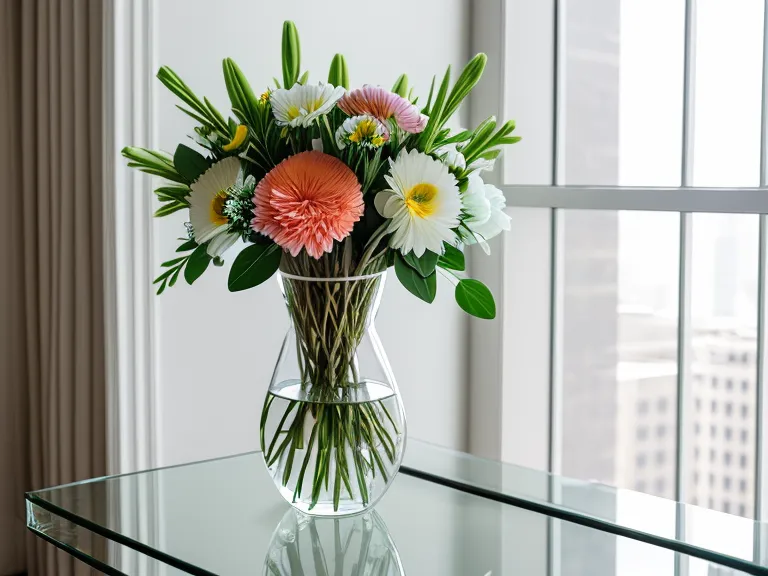
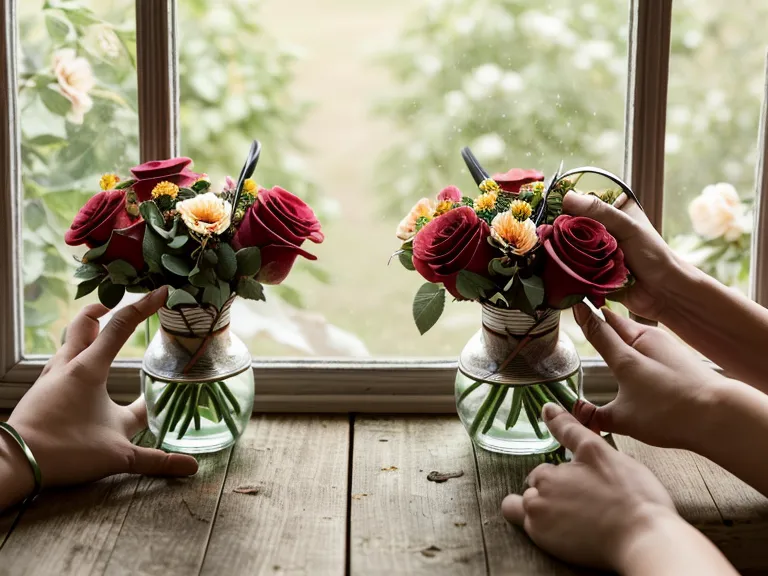
The quiet downgrade in my rows is almost never the flowers, it's the vase. A flared glass vase in the listing photo often arrives as a plain cylinder, and that matters more than it sounds like it should when the arrangement is headed to a funeral home and the Nav_wrapper__zWZi9 counts as part of the tribute. Teleflora tends to handle that better, since its local hand-delivery network treats presentation as part of the job, though the pricing reflects it. For everyday deliveries where the vase ends up in a kitchen cabinet within a week anyway, Send Flowers has kept its delivery windows reliable in bigger metro markets even when the Nav_wrapper__zWZi9 is nothing special. Bloom stage at arrival varies by service too. Hand-delivered arrangements usually show up already open and arranged, while box-shipped ones often arrive still closed and need a few days on a counter before they resemble the photo at all, and that gap has a lot to do with how many days the stems end up lasting once they're finally in water.
It took eleven months of logging rows before I got a delivery where the species, the color, and the vase all matched the listing without a single footnote in my notes column, and I remember being almost suspicious of it. Brenda Taggart, a former colleague, texts me a photo of whatever lands on her porch before I can even ask, so I know within minutes whether a service kept its word. After sixty rows, the lesson isn't that one service gets everything right, none of them do, it's that the ones worth repeating are the ones that tell you when they're swapping something instead of hoping you won't notice. Current availability and substitution details for FTD [Editor's Pick] change daily depending on what's actually fresh near your recipient's ZIP code, which is worth checking before you order rather than after a box turns up wrong.