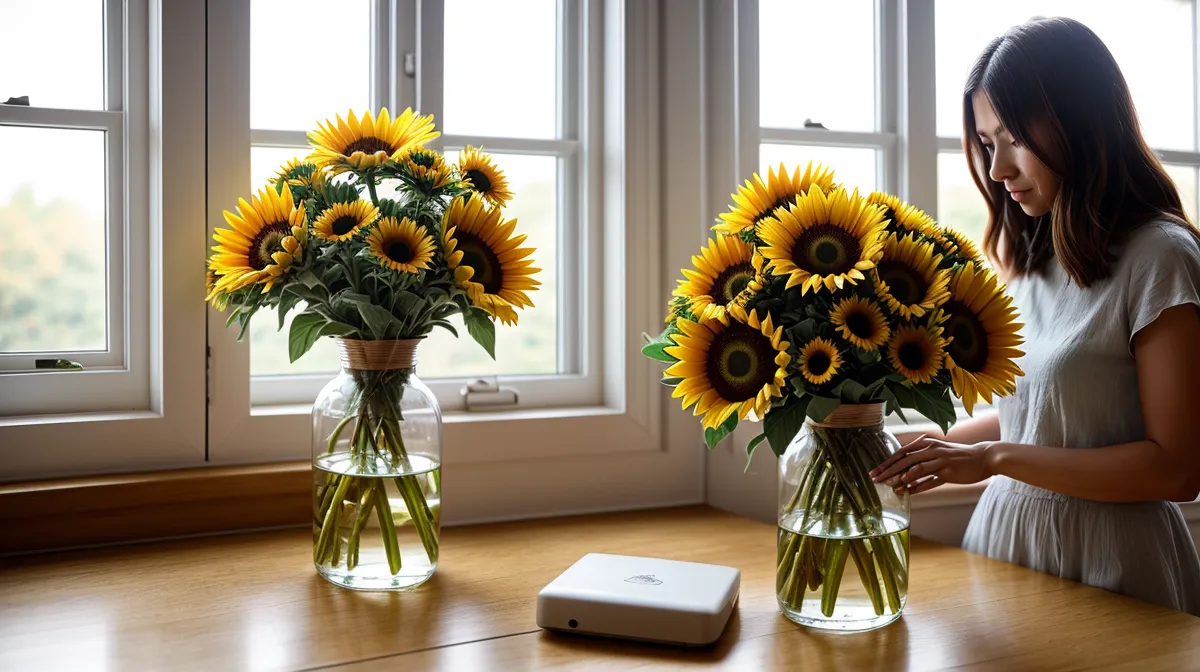
One afternoon during my mother’s birthday party, the sound of her sneezing through the cake cutting made me realize the 'designer’s choice' substitution policy was a liability, not a convenience. I had carefully selected a sunflower-and-daisy mix specifically because she is allergic to lilies, but FTD decided to swap the sunflowers for white lilies. The sticky yellow residue of lily pollen staining my mother's white lace tablecloth after the bouquet arrived was the final straw. That March 2023 incident turned my occasional flower sending into a data-entry project that has lasted over three years.
The Audit Method: Why a Spreadsheet is Necessary
Frustrated by the gap between the glossy website photos and the wilted reality on the porch, I opened a spreadsheet to track every stem, vase, and delivery window. As a freelance HR consultant, I spend my life looking for discrepancies in contracts, so applying that same skepticism to floral wire services felt natural. Since that first failed delivery, I have shipped flowers over sixty times to friends and family across the country.
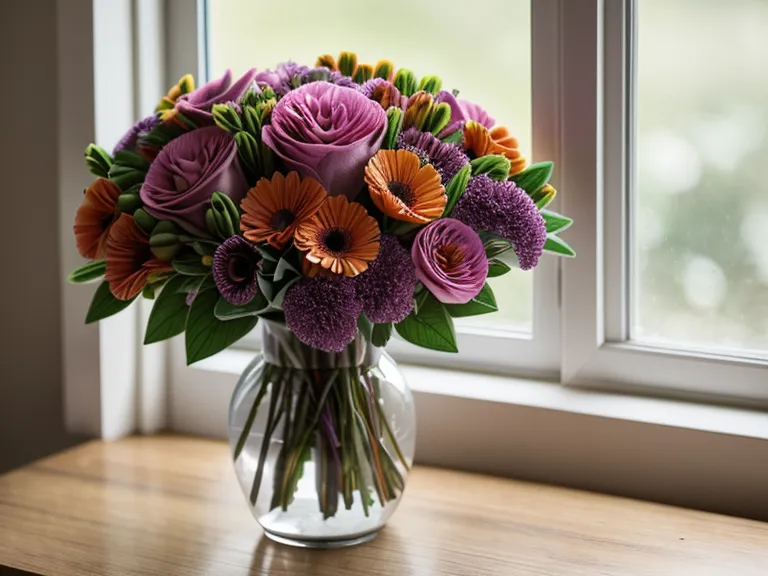
I began photographing every delivery side-by-side with the original listing, cataloging which services quietly swapped expensive lilies for cheap carnations. In my tracking notes, I found myself squinting at the screen, counting the individual petals on a peony to see if it matched the 'premium' tier I paid for. It rarely does. When you pay an extra twenty dollars for a premium upgrade, you expect a higher stem count, not just a slightly larger glass jar. If you want to see the raw data on how often this happens, the spreadsheet doesn't lie about what my tracking of fifty flower deliveries taught me about these hidden policies.
Timing and the Same-Day Delivery Trap
One of the most significant trends I noticed over the last few years—from the baby shower rush in early spring to one humid afternoon last July—is the decline in quality associated with same-day orders. Most people think paying a premium for same-day delivery ensures the freshest flowers because they are 'coming right from the shop.' In reality, I discovered that same-day delivery often results in thinner glassware and shorter stems as local florists rush to fill orders from national wire services.
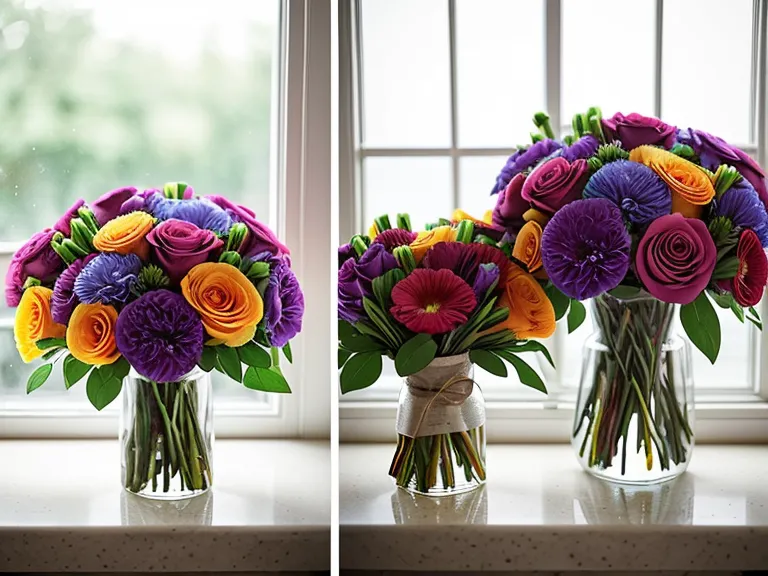
When a local shop receives a wire order at 11:00 AM for a 4:00 PM delivery, they aren't using the fresh shipment that just came in for their high-end local clients. They are often clearing out the inventory that needs to move immediately. This is particularly noticeable when shipping to college friends scattered across 4 different time zones; the quality varies wildly depending on how late in the day the order is placed relative to the local shop's closing time. My data shows that orders placed at least 48 hours in advance consistently have a better water-to-stem ratio, especially for heavy-headed flowers like hydrangeas to prevent drooping.
Technical Standards for a Successful Audit
When I audit a delivery now, I look for three concrete markers of quality that most casual buyers overlook. First is the stem count. If I order a standard dozen, I expect exactly 12 roses. I have had deliveries arrive with ten roses and two 'filler' carnations, which is a downgrade in value. Second is the inclusion of proper floral food. A standard universal flower food packet should weigh about 5 grams. If the box arrives without it, or with a generic sachet that has been crushed, the longevity of the bouquet is already compromised.
Third, I check for environmental hazards. I learned the hard way just before the autumn holidays last year that shipping fruit baskets and flowers together is a mistake. The ethylene gas produced by ripening fruit can cause flowers to wilt prematurely. If a service packs them in the same box, I mark it as a failure in my spreadsheet. I’ve also become quite sensitive to scent and toxicity; for example, lilies are highly toxic to domestic cats and can cause kidney failure if pollen is ingested, a fact many services fail to mention when they substitute them into an order. For those looking for arrangements that actually last more than three days, I have compiled my longest lasting flowers for delivery based on my recent bouquet tests to help narrow down the options.
What Sixty Deliveries Taught Me
Late winter last year, I sent a sympathy bouquet to my cousin Margaret. It was a $115 arrangement that arrived as a $60 value substitute. Because I had my system in place—the screenshot of the original order and the photo from the funeral home—I was able to get a full refund within twenty minutes. Now, sixty deliveries later, my spreadsheet tells me exactly which brands to trust and which ones are just selling expensive stock photography. I no longer guess whether the photo on the website matches the box on the porch. I have the data to prove it doesn't, and the records to make sure I get what I paid for.