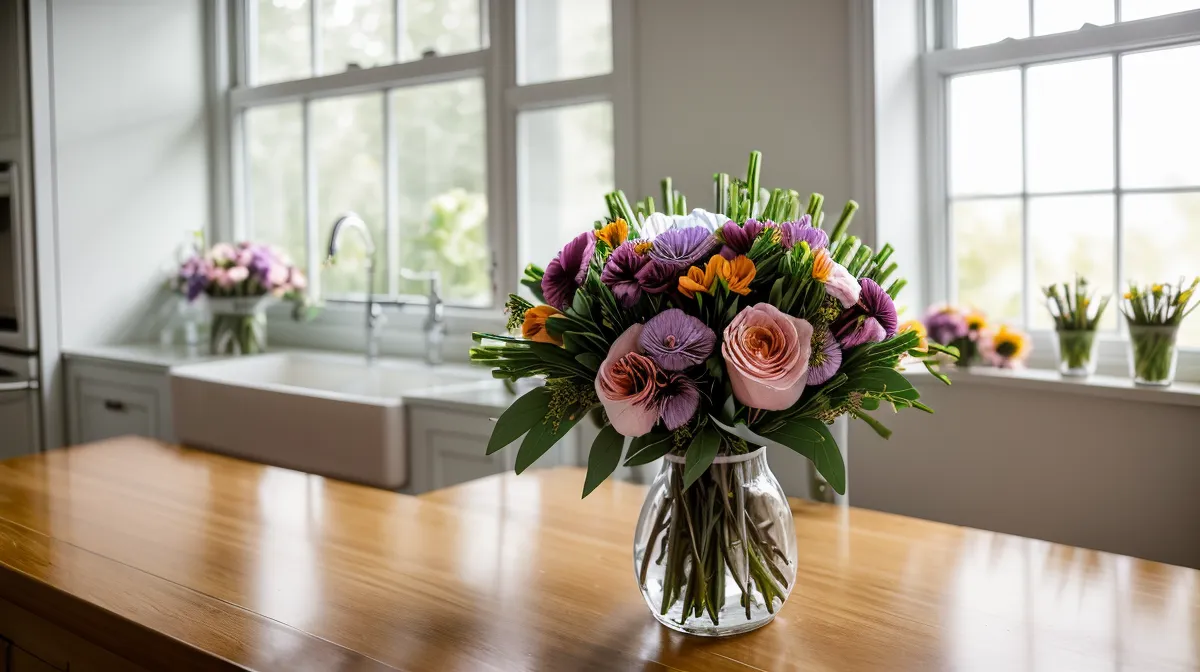
A shipped box and a local relay order look identical on a checkout page, but they are two different promises. One ships from a regional hub in a foam-lined carton, sealed days before your event. The other gets assembled the morning of delivery by whichever local florist picks up the ticket, using whatever their wholesaler carried that week. That gap explains why online flower delivery services swap out specific species so often. After three years of floral delivery reviews built on real deliveries for real occasions, I no longer read a substitution policy as fine print. I read it as the actual product.
Some of the links in this piece are affiliate links, and if you order through one I earn a small commission at no extra cost to you. Every service mentioned here I have paid for out of my own pocket, across sympathy arrangements, apology bouquets, and birthday deliveries sent to family in other states. Consumer rights around floral substitution rarely come up until something arrives wrong, so I document what actually shows up against what was listed before I recommend anything.
The Substitution Policy Behind a Shipped Box Versus a Local Relay
Most national flower sites are not selling stems sitting in a bucket at a shop down the street. FTD and similar aggregators sell a recipe, filled either by a shipped box from a regional facility or by a local partner florist working out of their own cooler. That second model traces the substitution problem back to its source. A relay order gets built by whichever florist picks it up, stocked with whatever their wholesaler carried that week, not whatever was photographed for the listing. Most of the cut flowers sold in the United States travel in from Colombia or Ecuador first, so both models depend on the same cold chain. A delay anywhere in that chain, a grounded cargo flight, a customs backlog, a truck running behind, gets absorbed as a same-day substitution instead of a delay you ever hear about.
None of this happens as early as most buyers assume. In my tracking, substitutions typically get finalized within 24 hours of the scheduled delivery date, once the fulfilling florist confirms what is actually sitting in their cooler that morning. None of the major services I have tracked are required to call, text, or email you before making that change. The policy protects their right to substitute, not your right to be told about it, and that single detail explains more about disappointing deliveries than any complaint about flower quality ever could.
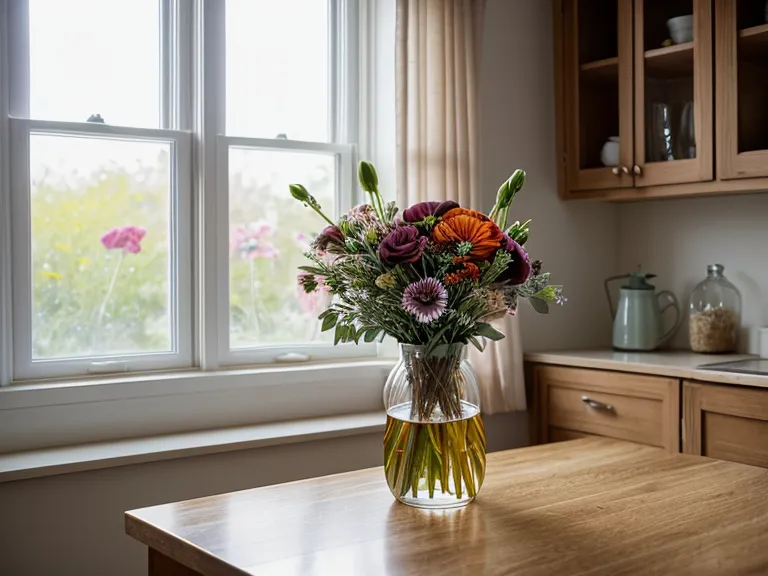
What Triggers a Swap in the Final 24 Hours?
A same-day cutoff makes the window even tighter, since a florist racing an early afternoon deadline has less time to source the exact stems on the ticket and reaches for whatever fills the vase fastest. Ordering across time zones adds another layer on top of that. I ran into it constantly sending baby shower arrangements to friends three time zones away, where a delivery window that looks generous from the West Coast can already be tight by the time it gets built on the East Coast. Substitution stops being a mild inconvenience and becomes a real hazard for allergy-safe species specifically, since a service that swaps in lilies for a pet-friendly or allergy-conscious order without asking first is changing what the recipient is safe to have in the room, not just how the arrangement looks.
One friend who throws hand-built pottery at a studio in Lawrenceville once asked me why she should bother paying extra for a named variety if the box might swap it anyway. Photo listing accuracy is a separate question from substitution rate, and the two do not always move together. I have tracked services that rarely swap species but still deliver an arrangement that looks thinner than the listing photo, and others that substitute constantly but still resemble what was pictured because the filler and color palette stay close enough.
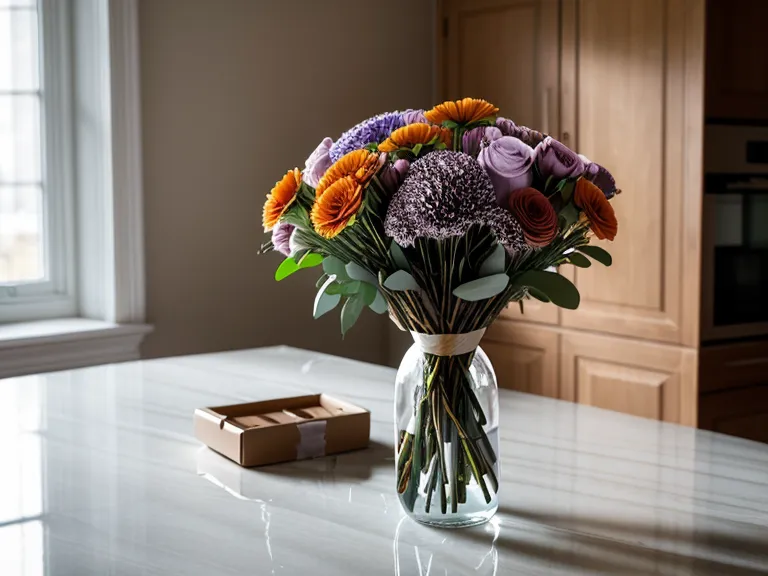
A Grocery Store Kiosk Order Taught Me What 'Crushed' Really Means
The worst delivery in my tracking did not come from a national website at all. It came from a kiosk display inside the Whole Foods Market on Centre Avenue in Shadyside, where I placed a rushed order for a same-week gift. What arrived was flattened against the lid of its own shipping box, stems bent sideways, crushed under whatever had been stacked on top of it before it reached the porch. Melt from the ice packs had already beaded along the bottom seam by the time I got the lid open, leaving a damp ring on the mat before I had even seen the flowers. I can usually tell before I clear the packing paper whether a vase inside is glass or plastic, just from how heavy the box feels lifting it off the ground, and that one told me everything before I opened it.
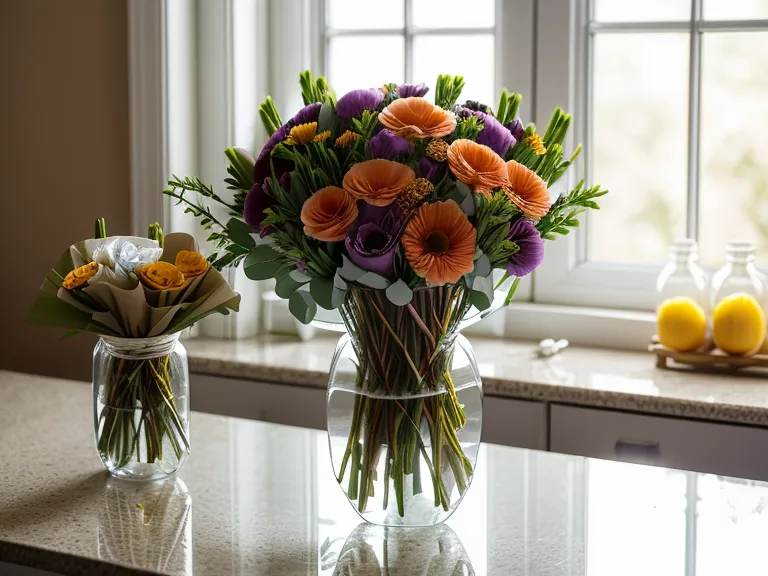
Vase Upgrades Rarely Buy What the Photo Promises
Vase quality has its own separate tier system that does not move in step with substitution rates, and it deserves a closer look on its own rather than a detour here. What I can say from the vase upgrades I have paid for is that a 'premium' option has, more than once, turned out to be the same thin glass as the standard vase, just a couple of inches taller, with nothing else different except the price. ProFlowers and a few other shipped-box services keep that fine print vague enough that you cannot tell what the premium tier actually includes until the box is already on the porch. If a bouquet is supposed to carry a dozen roses and three get swapped for carnations to stretch the arrangement, that substitution rarely makes it into the listing disclosure either.
Shipped Box or Local Relay: Which One Fits the Occasion
Out-of-state delivery logistics tilt this decision further, since you are rarely in a position to inspect anything before it reaches a funeral home or a relative's porch two states away. From You Flowers has been more aggressive with substitutions during peak weekends like Mother's Day in my tracking, though it tends to compensate with extra filler greenery rather than leaving the arrangement visibly short. Add-on items like balloons or a box of chocolates run through their own separate fulfillment chain entirely, so a correct species match does not guarantee the rest of the order arrives complete. If same-day timing matters more to you than the exact variety, my Same Day Flower Delivery Service Reviews After Many Recent Orders tracks which services actually honor that window. For anyone sending an apology bouquet across a family disagreement instead of a birthday gift, the same substitution logic applies with even less room for error, which I get into in my Tips for Sending Apology Flowers to Family After an Argument.
Choose a shipped, national listing when a guaranteed delivery date matters more than an exact species match, birthdays and baby showers where the recipient will be happy with fresh flowers regardless of which ones arrived. Choose a local relay or a hand-delivered order when the exact look matters as much as the delivery itself, sympathy arrangements for a funeral home, or a bridal palette that cannot tolerate a last-minute color swap. From You Flowers has held up as one of the more consistent options in my tracking for long-distance family deliveries specifically, detailed in my From You Flowers Reviews for Sending Long Distance Bouquets to Family. Whichever you pick, the listing photo is a starting point, not a guarantee. The substitution policy buried in the fine print tells you more about what will actually show up than any photo does.