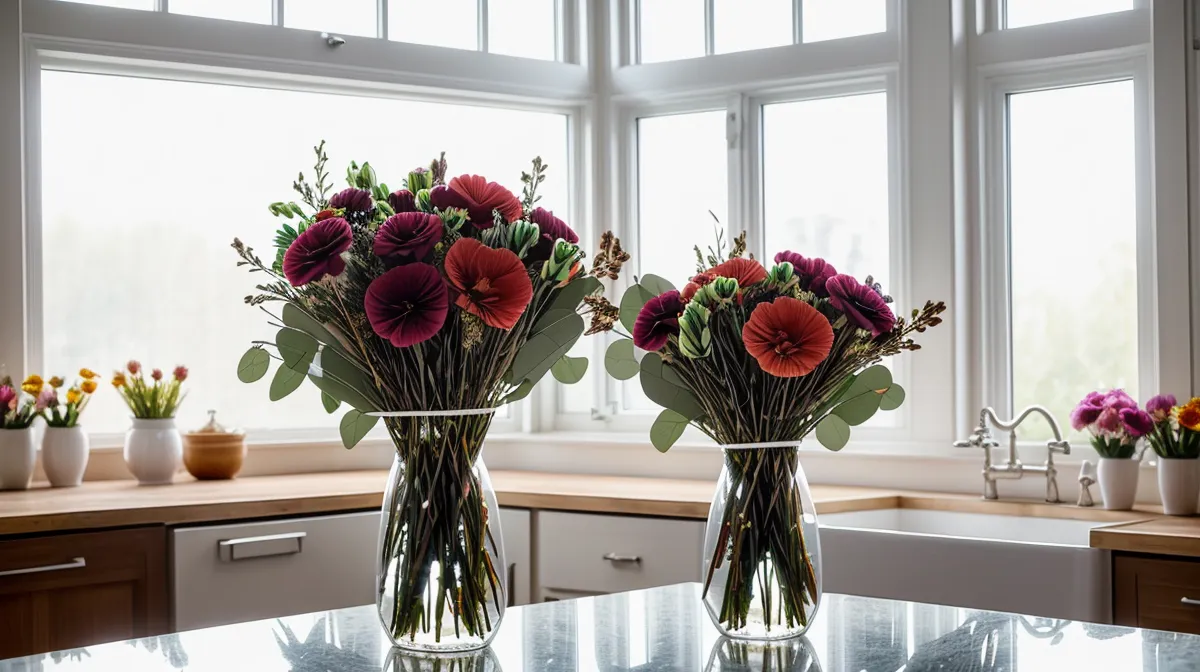
People often send sympathy arrangements without ever confirming that the "white and elegant" box on the website doesn't actually mean lilies once a local shop gets hold of the order. Most flower delivery reviews treat allergy-safe sympathy flowers as a footnote, one line buried in a substitution policy that nobody reads until the box lands on a porch. My spreadsheet tracks FTD substitutions specifically because sympathy orders are where the wrong stem does the most damage. A grieving family dealing with a funeral home doesn't need a sneezing fit added to an already hard day, and "we substituted for a similar look" doesn't cover an actual allergic reaction.
The FTD Substitution Problem, in Plain Terms
FTD works by relaying an order to a local florist rather than shipping a single box out from a central warehouse, a fulfillment model plenty of competitors handle differently, and that's as far as I'll go into how the wire-service side of things works. What matters more here is what happens once a shop is holding that ticket: the florist reads it the way any busy shop reads a rush order, checking size and price point before checking a note about a pollen allergy buried lower on the form. Every delivery service also writes its own version of a substitution policy, and the reasoning behind each one, regional stock, cost, a shop's own margins, is its own deep subject that I won't relitigate here, beyond saying FTD's version leans generous toward the florist filling the order, not toward the person who typed "no lilies, she's allergic" into a text box.
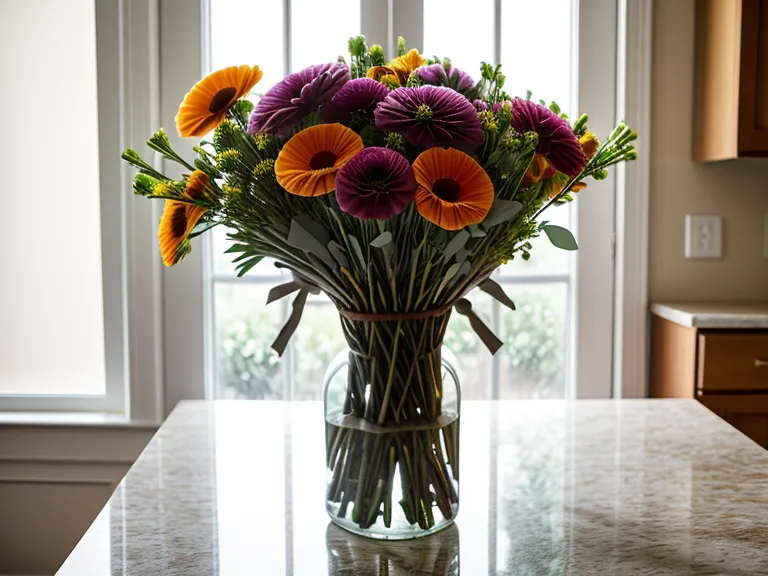
That gap is the mechanism behind why I started photographing every bouquet, comparing the listing screenshot against whatever actually showed up before trusting a special-instructions box again. A corkboard next to my desk in a row house office in Squirrel Hill holds those pairs pinned side by side, listing photo next to delivery photo, so a lily hiding inside a "rose-forward" arrangement is obvious within a few seconds instead of after someone starts sneezing at a viewing. Whether a listing photo matches what arrives is a bigger question than sympathy orders alone, and I keep a separate running comparison of FTD against other services on exactly that point rather than folding it into this piece. The full twelve-month version of that testing process, ordering from every major service on a rotating schedule and logging each result, is its own project written up separately; here I'm only pulling the FTD-and-lilies thread.
Which Flowers Actually Belong on an Allergy-Safe List
Roses, carnations, and chrysanthemums are the three that keep showing up clean in my notes, mostly because their pollen tends to stay put rather than drift the way a lily's does. Sunflowers can work too, and one delivery stands out because I remember looking through the box flap and seeing every sunflower stem standing straight up out of the foam, not one neck bent from being packed on its side, which told me the box had been handled carefully before the allergy question ever mattered. Lilies remain the default filler for sympathy work because they read as classic and take up visual space cheaply, but for anyone managing a pollen allergy, that visual bulk is exactly the risk. A broader rundown of which species belong on a general allergy-safe list lives elsewhere in my notes; this piece stays narrow to what happens specifically when FTD is the one filling a sympathy order under that constraint.
What a Guarantee Actually Covers
FTD's language guarantees a "look and feel," not a specific species and not a specific size, and that gap showed up clearly on an order I paid for as their premium sympathy option. What arrived had been quietly reclassified down to their standard size, nothing flagged in the confirmation email, no call beforehand, just a smaller arrangement on the porch than the listing had implied. That complaint has nothing to do with lilies directly, but it points at the same root problem: the confirmation a customer gets at checkout describes an intention, not a binding promise about what a local shop will actually build. Vase quality follows a similar sliding scale across services, and it's a separate question entirely from whether the stems inside are safe for someone with a sensitivity to be sitting next to for three days.
Is "Hypoallergenic" on the Label Enough?
Not by itself. Scent is the part the label rarely addresses, and a flower can be technically pollen-light while still being strong enough to give a sensitive recipient a headache within an hour of the box being opened in a small room. I've logged more than one delivery where hydrangeas and snapdragons, both reasonable choices, arrived padded with a heavily fragrant stock flower instead, and the recipient ended up moving the whole arrangement out to a porch rather than leaving it on a dining table. It isn't only pollen that causes trouble; something about the scent itself seems to carry its own separate reaction for certain people, and no listing photo shows you that part. Brenda, a friend who reads every seasonal flower sale before I do, texted last spring just to warn me that prices were climbing across every site she'd checked, which has nothing to do with allergies but everything to do with why so many buyers default to a "designer's choice" or "seasonal mix" box instead of naming the actual flower they want.
Checking an Order Before It Ships
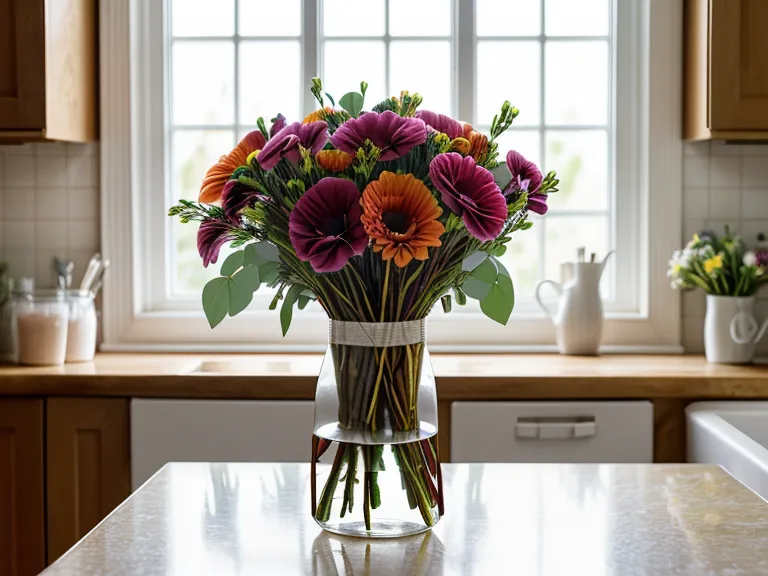
Skip the "designer's choice" and "seasonal mix" categories entirely if allergies are a factor, since those are essentially an invitation for a shop to use whatever sits in the cooler that week, which is almost always a lily. Look instead for listings that name "rose and carnation" or "hydrangea" specifically as the primary mass flower, and write the allergy note as its own line rather than folding it into a generic gift message. Hand-delivered orders give a local florist a better chance of actually seeing that note before clipping stems, which is part of why hand-delivered sympathy sprays matter more than a shipped box in these specific cases. Same-day ordering adds its own hazard on top of all this, since the cutoff for guaranteed delivery runs on an early hour local to the recipient rather than to whoever is placing the order, and that detail gets its own full breakdown separately from this piece. Sending across multiple time zones compounds that same clock problem, since the cutoff runs on the recipient's clock rather than the sender's, and that's its own rabbit hole I've covered in full elsewhere. Sending to an out-of-town funeral home stacks a separate logistics layer on top of all this, one substantial enough that it gets its own dedicated breakdown rather than a mention here. Add-on items like balloons or keepsakes get routed through a different fulfillment chain entirely, which is its own separate mess I won't wade into in an allergy-focused piece.
A reader named Shawn emailed me once about a nearly identical substitution on an anniversary order, and where I get twitchy about species the moment allergies are involved, he told me he's fine with a swap as long as the stem count on the invoice matches what he paid for. That's a fair way to draw the line when the stakes are aesthetic rather than medical, and it's worth knowing which kind of buyer you are before filling out the special instructions box. If allergies are actually in play, the rule I've settled on is simple: name the flower, not the mood, skip anything called "designer's choice," and treat "hypoallergenic" as a suggestion rather than a guarantee until what actually arrives with FTD same-day sympathy flowers matches what got typed into that box in the first place.