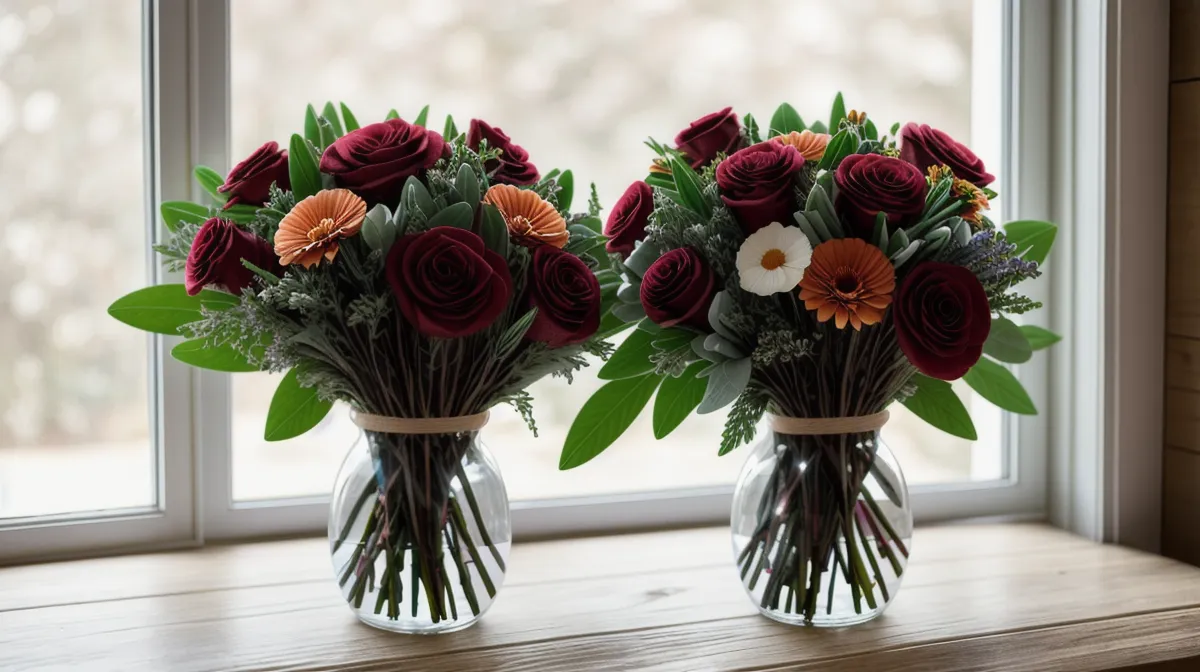
One order I sent through an online flower delivery service arrived exactly as pictured, the right variety, the right color, seventeen stems, nothing substituted. Another order, placed through a similar service for the same person, came back as a straight substitution, an entirely different flower than the one shown on the listing page. Same buyer, same recipient, same type of company running the fulfillment behind the scenes. The gap between those two deliveries had nothing to do with luck and everything to do with two specific choices made before either order was ever placed.
Both boxes went to Portia Calhoun, a friend from my college years at Pitt who moved out to Atlanta a long time ago and has been on the receiving end of flowers from me for pretty much every milestone since. She has ended up with both the most expensive arrangement I have ever ordered and the most disappointing one, which makes her an unusually good test case for what actually separates a service that honors your order from one that treats the listing photo as a loose suggestion.
Three years of running flowers through a rotating cast of national services taught me that the wire network model behind almost all of them works the same way, regardless of which brand's logo sits on the box. The two cases below are the clearest version of that pattern I have on record, and the difference between them is a practical, repeatable one, not a matter of which company happened to have a better week.
How Wire Services Actually Fill a Flower Order
When you order from a national floral website, the company that took your payment rarely touches a single stem. It collects the money, keeps a meaningful slice of it, and forwards what is left as a work ticket to whichever local florist sits closest to the recipient's address. That shop receives a recipe, but the fine print in nearly every wire service's terms allows the florist to substitute a variety of roughly equal value without telling you first. Run out of peach ranunculus, grab peach carnations instead, call the ticket filled. Every major service writes that clause a little differently, which is its own separate rabbit hole, but the practical effect lands the same across brands: the dollar value gets honored, the species does not. I broke down which species get swapped most often in The Substitution Trap: What Actually Shows Up When You Order Flowers Online, and lilies sit near the top of that list for reasons that go beyond how they look in a vase.
True lilies, the Lilium genus specifically, carry enough risk for cats that I keep an entire separate piece on How to Choose Safe Flowers for Delivery to Households with Pets, so I will not re-walk the mechanism here beyond saying it is serious enough to plan around rather than discover after the fact.
The Rush Order That Went Wrong
The disappointing order was a same-day delivery I placed for one of Portia's birthdays, and I trusted the big banner promising guaranteed delivery today without reading past it. What I missed was a cutoff time, noon that particular day, sitting several scrolls down in the service's own FAQ page, well past anywhere a normal checkout flow would think to put it. My order landed in the shop's queue a few hours after that cutoff, so it got treated as next-business-day work even though the site had already taken my money for same-day. By the time the ticket printed, the shop had pulled from whatever arrangement was already sitting assembled on the counter instead of building mine from the walk-in cooler, and what arrived bore almost no resemblance to what I had picked out online. That kind of scramble gets worse around the big flower holidays specifically, when one shop processes far more volume than usual in a short window and leans even harder on those pre-built stand-ins to keep up.
What Made the Next One Arrive Exactly as Pictured
That next order to Portia was scheduled two full days ahead of when she actually needed it, and the restriction rode directly in address line two instead of buried in a notes field. When the photo came back, I counted every stem against the listing twice because I did not quite believe it the first time. Seventeen stems, same variety, same color the listing had promised, nothing swapped and nothing padded out with filler to disguise a thinner count. That gap, between an order treated as a rush emergency and one routed to the design bench with time to spare, accounts for most of what separates a predictable delivery from a gamble.
Why the Special Instructions Box Isn't Enough
Most checkout pages carry a field labeled something like special instructions or delivery notes, and most buyers type a polite line into it along the lines of please no lilies, recipient is allergic. That field usually feeds the courier's routing slip or the driver's mobile app, not the design bench where someone is actually pulling stems out of the cooler. By the time a driver glances at gate codes and porch instructions, the arrangement has already been built, wrapped, and loaded into the van. If the goal is keeping a specific flower out of the box entirely, the note has to land somewhere the florist reads before touching a single stem, not somewhere a driver reads on the way to the porch.
Put the Restriction Where the Florist Will See It
What works instead is writing the restriction directly into address line two, the field most sites label apartment, suite, or floor. Nearly every national floral system pulls the recipient's full address straight onto the primary production ticket so the florist knows where the order is headed, and that line sits right under the recipient's name on the printed sheet. Enter the apartment or suite number first, then the restriction in capital letters on the same line, something like suite B, no lilies or carnations, strict allergy. A florist might skim past an optional driver note, but a bolded line attached to the delivery address, sitting on the exact ticket they read before pulling stems, is much harder to miss. Since I started writing restrictions into that field instead of the notes box, every order going to a recipient with a stated allergy has honored it.
Checking What Actually Arrived
Once a box or vase shows up, a recipient's thank-you text proves nothing on its own. People say it is gorgeous out of politeness even when half the stems are wilting or the whole arrangement is wrong, so I ask for a quick photo of the flowers sitting on the counter, which reads as ordinary curiosity rather than an audit. From there the check stays simple. Count the actual blooms against what the listing promised, since catalog photos often prop everything toward one side of the vase to make a thinner bunch look fuller than it really is. Compare the species in the photo against the species in the listing, because the common downgrades run in a predictable direction, peonies become garden roses, garden roses become standard tea roses, tea roses become carnations, and the price difference quietly stays with the shop unless someone asks about it. Check whether the vase matches the material pictured, glass against a plastic stand-in, since that swap happens quietly too. And check whether a packet of flower food actually came with the stems, since a shop that skips that step is usually cutting corners elsewhere in its own fulfillment process as well. I keep the listing screenshot and the delivery photo open side by side for this, and there is a particular small satisfaction in the keyboard click of updating a spreadsheet column the moment a photo confirms a substitution mid-call with whoever received the box.
When something does not match, I contact the company directly with both photos attached, and in my experience that combination gets a refund or a redelivery far faster than describing the problem in words ever does, though exactly what each brand promises in writing on that front varies enough to be worth checking in advance. Most of what I have just described is also most of what fills the tracking spreadsheet behind My Tracking Spreadsheet Doesn't Lie: A Side-by-Side Review of National Flower Services, order by order, across every service I have tried.
Rush Delivery Versus Scheduled Delivery, Which One to Trust
A neighbor a couple of blocks over, Kira Ballantyne, flagged me down near Market Square one afternoon in fall 2023 after seeing this habit of mine mentioned in a neighborhood group online, because she needed a reliable sympathy order sent to a funeral in Phoenix with only three days to arrange it. Her orders are almost always funerals and sympathy occasions, which is exactly the kind of tight window where rush delivery is sometimes the only option on the table, and it is part of why I would never tell everyone to avoid same-day service outright.
Same-day or rush delivery earns its keep when there is no allergy involved, no specific species the recipient is expecting, and you are comfortable with whatever the shop happens to have ready that day, because speed and customization rarely coexist at a florist's bench. Scheduled delivery, placed a couple of days ahead with the restriction written into address line two rather than a notes field, is worth the extra lead time whenever the wrong species carries a real consequence, an allergy, a funeral where the family requested specific flowers, or a recipient who will absolutely notice if the arrangement does not match what you showed them beforehand. Choose based on what is actually at stake in that particular order, not out of habit, and check the delivery photo against the listing either way.