Eleven months. That's how long it took after I started my flower delivery spreadsheet before a single FTD order matched everything on the listing, the species, the color, even the vase. Every row before that had something off: a swapped stem, a downgraded jar, a shade of pink that showed up beige on the porch. This isn't really a hobby. It's a consumer record of gift etiquette gone sideways, one I started keeping the afternoon my mother spent her seventieth birthday sneezing through her own party.
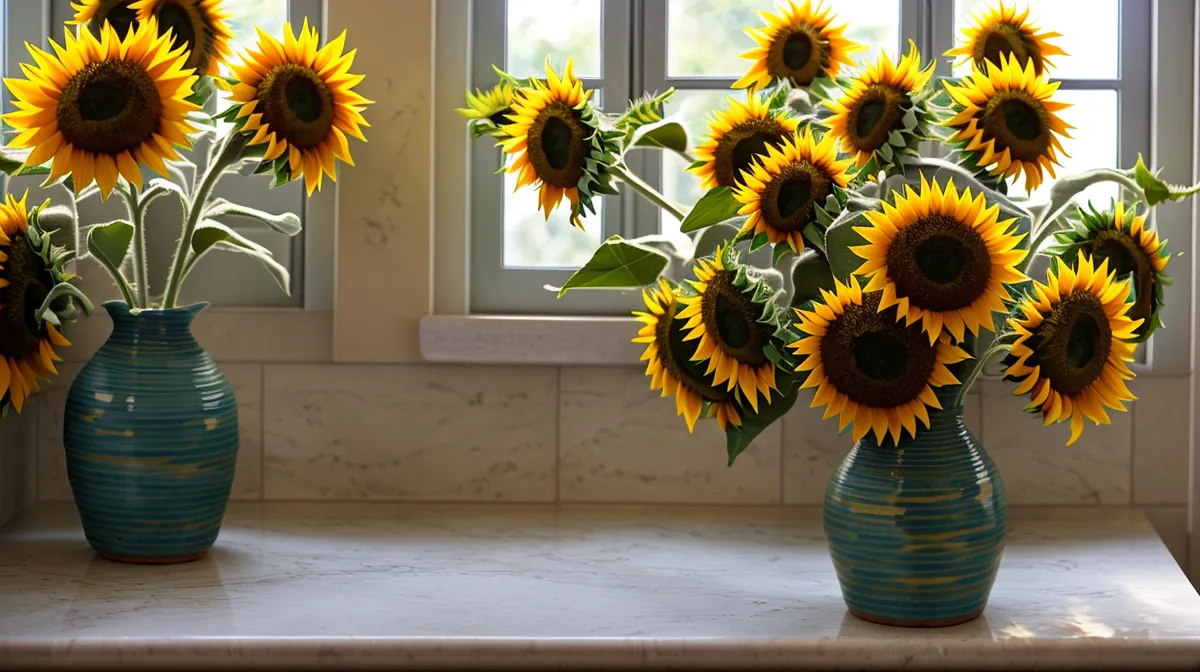
I'd ordered a sunflower and daisy mix for her, bright and allergy-safe, timed for a Saturday lunch with the whole family. What showed up was a tower of white Oriental lilies dropping rust-colored pollen everywhere, and by the time dessert came out she'd gone through half a box of tissues. That was March 2023, and it's the reason I photograph every delivery next to its listing now, FTD's included.
A quick note before the rest of this: several of the links below are affiliate links, and if you click through and order, I earn a small commission at no extra cost to you. Every bouquet in this piece, including the sympathy sprays for my cousins and the steady apology deliveries to my sister-in-law, came out of my own pocket. My longer transparency notes live on the About page.
Why I Track Every FTD Delivery Like a Compliance File
Three years of doing this has turned me into the kind of buyer who reads substitution policies the way I used to read employment contracts. I ship flowers between forty and seventy times a year: birthday arrangements for my mother, sympathy bouquets to funerals I can't attend in person, baby showers scattered across time zones for college friends, and enough apology deliveries to my sister-in-law that she probably recognizes the FTD driver by name. Freelance HR consulting pays my bills, but the same instinct that makes me double-check a client's paperwork makes me photograph every box the second it lands on a porch.
Local shops along Murray Avenue in Squirrel Hill could fill half of what I order in twenty minutes, but most of my recipients live nowhere near a walkable florist, which is exactly why national networks like FTD exist and exactly why their substitution policy matters more than their homepage photos do. Every listing carries some version of the same clause: flowers of equal or greater value may replace what's pictured if the local partner's cooler comes up short. After three specific incidents with FTD, that single sentence in the fine print earned its own tab in my spreadsheet. By the tenth week of logging deliveries, the pattern was already visible in the columns: reliable for volume and speed, less consistent about matching the exact species in a listing photo.
The Vibrant Mix That Arrived Looking Like a Sympathy Order
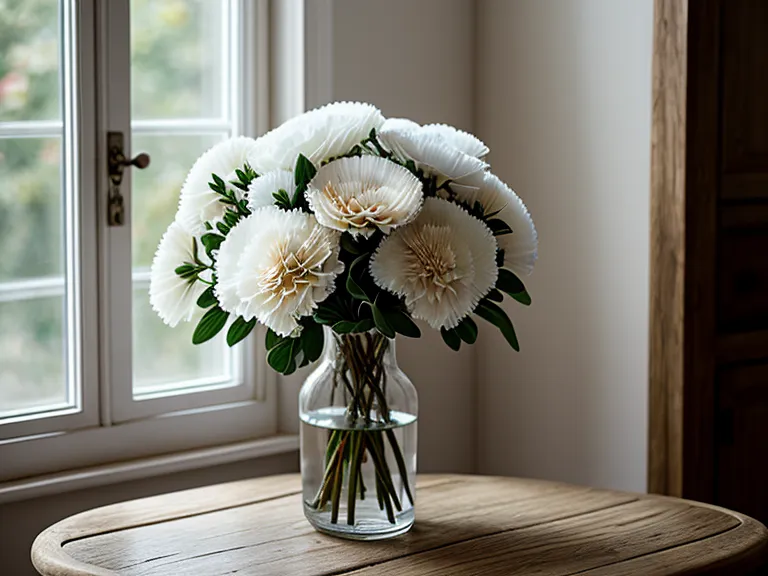
Late last August I ordered something called the Vibrant Floral Mix for my sister-in-law, two states over, after a rough week at her firm. The listing showed hot pink gerbera daisies, orange roses, and purple statice. What arrived looked more like a sympathy order than a cheer-up gift: white carnations and yellow pompons, nothing vibrant about any of it. She texted a photo along with her thanks, and I typed the substitution straight into my tracker while her message was still open, the only sound on my end the keys under my fingers.
FTD carries a consumer rating around 4.4 out of 5 on major platforms, an average across thousands of independent local florists rather than a promise about the specific shop filling your order, which is exactly the gap between what a listing photo implies and what a network model can actually deliver.
Does Paying for the Deluxe Upgrade Get You More Flowers?
Early this spring I paid extra for FTD's Deluxe upgrade on a birthday order, on the theory that more money should mean more blooms. When the delivery photo came in, the stem count matched the Standard arrangement I'd sent the same recipient the year before, stem for stem. What the upgrade actually bought was a heavier, more ornate glass vase, which is its own small category of disappointment I've written about separately in why some flower delivery services send low quality glass vases, and it's worth knowing before you order that vase-quality tiers are usually where that extra cash goes, not into the bouquet itself.
Hydrangeas In, Chrysanthemums Out: The Mother's Day Swap
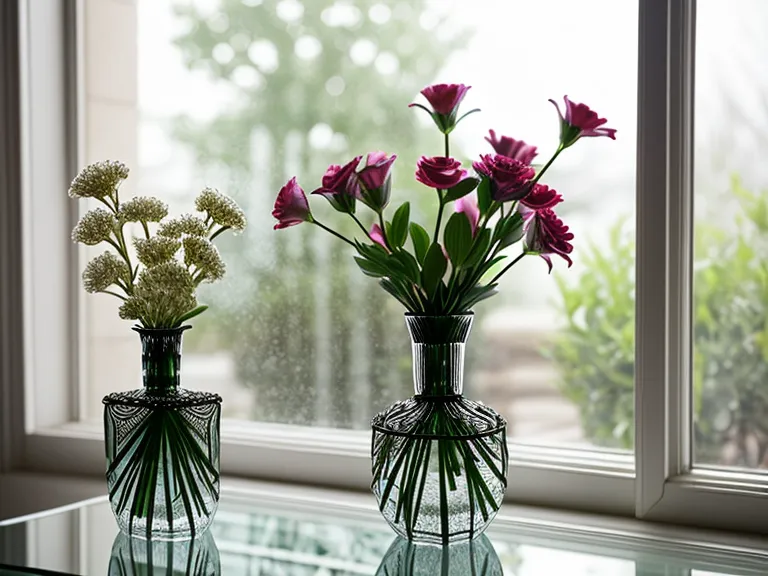
Right before Mother's Day this year I placed an order built around blue hydrangeas as the centerpiece. Most listings bury a seasonal-availability clause that lets a florist substitute flowers of equal or greater value, and when this particular order finally shipped for a different occasion a few weeks later, the hydrangeas were gone, replaced by oversized white chrysanthemums. The dollar value might have matched on the local shop's ledger. The mood didn't. If you want the longer version of how FTD stacks up against other national networks, I've laid it out in a year of testing From You Flowers and again in FTD vs Teleflora, and the short version is that a hand-delivered arrangement from a florist relay tends to track a listing photo more closely than a boxed one shipped sight unseen.
Why Corporate Events Can't Treat Substitutions as a Minor Inconvenience
My HR side and my flower habit collide here. Event planners running corporate galas need to treat a national network's substitution policy as a line item, not an afterthought, because a strict brand palette is often baked into the decor contract. Say a gala is themed around midnight blue and silver: if a local partner runs out of blue delphinium and swaps in purple stock instead, that stops being a minor inconvenience and turns into a room that doesn't match the brand it was built around.
For a casual get-well gift, a substitution is a shrug. For an event where the floristry has to match a client's brand identity, it's a liability nobody budgeted for. This is also where delivery-window planning across time zones gets underestimated. I learned that the same-day promise doesn't travel well across state lines the hard way, with a friend two time zones away instead of a client.
My college friend Portia Calhoun is the reason I first tested same-day delivery across state lines at all. She's lived in Atlanta for years, and I wanted flowers on her table the same day something good happened for her. The site's banner said guaranteed same-day delivery, bold letters, no fine print in sight from the checkout page. What I didn't do was scroll down into the service FAQ, where the actual cutoff sat buried two clicks deep: orders had to land before noon local time, not mine. I placed the order at eleven my time, comfortably before my own lunch, and blew past Atlanta's cutoff by close to an hour. The flowers showed up the next morning instead. Now I calculate the recipient's clock before I calculate my own, every single time.
Ordering FTD Without Getting Burned Again
A neighbor named Kira Ballantyne stopped me on the sidewalk two summers ago asking which service she could trust for a sympathy arrangement, three days' notice, delivery needed clear across the country for a funeral in Phoenix. She still texts me an update every time she books one of the services I've reviewed since, which is its own small proof that out-of-state delivery logistics are the exact spot where buyers want a second opinion, not a coin flip.
After forty-plus deliveries I still use FTD, but differently than I did in 2023. Their network is the largest of the national players, which makes them useful for reaching small towns where From You Flowers and other budget options sometimes can't guarantee same-day coverage. I've stopped trusting species-specific requests at face value. If the recipient has an allergy, the way my mother does with lilies, I call the shop directly instead of assuming the listing's secondary flowers are safe, since allergy-safe species aren't something a thumbnail photo can promise. Same-day cutoffs get checked against the recipient's clock, not mine, every time now. And I've quietly given up on the deluxe vase upgrade unless I know for certain the person loves heavy glassware; that extra money is better spent on a service with a stronger record of matching stem counts to the listing. One more thing worth checking before you check out: some listings bundle balloons or other add-ons into the order, and fulfillment on those extras tends to lag behind the flowers themselves, so don't assume they'll arrive together.
My spreadsheet keeps growing with every apology I send my sister-in-law and every birthday I mark from home. I don't expect a small shop to be perfect during a packed week, but I do expect the substitution policy to mean something, so I keep a running substitution policy reference that lines up what each major brand promises against what actually shows up. If you need something reliable today and can live with a local florist's judgment call, FTD still earns its place for sheer reach. Just ask for a photo before you hang up the phone. The guarantee banner on the checkout page is marketing; the cutoff time buried in the FAQ is the actual contract, and that's the one line worth reading twice.