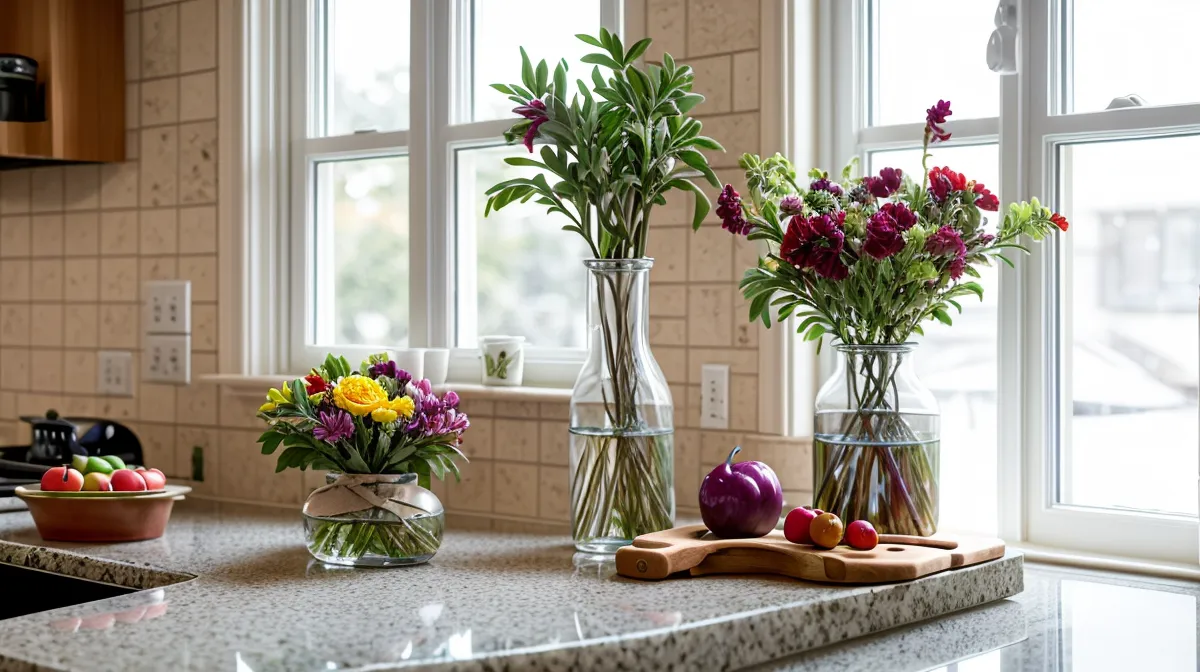
A stock photo promises a rounded arrangement in full bloom, with no browning edges anywhere in frame. What lands on a porch in Pittsburgh some weeks is four stems of wilted fern propped in floral foam. That gap between promise and delivery is why I stopped trusting flower delivery reviews written by the sellers themselves. I have shipped close to seventy arrangements since early 2023, to my mother for two birthdays, to cousins after funerals, to college friends scattered across three time zones for baby showers, and to a sister-in-law two states over often enough that the apology bouquet is its own category in my spreadsheet. Floral substitution policy started to interest me the way any vendor contract interests an HR consultant, as a document that protects the company by default and only protects the buyer if she can prove the box did not match the listing. Consumer protection in this corner of retail mostly means photographic evidence, not customer service scripts.
How Do You Prove a Bouquet Doesn't Match What You Ordered?
The habit started because a promise got broken in a specific way. My mother's seventieth birthday order was supposed to be a sunflower and daisy mix. What showed up instead was an armful of stargazer lilies, flowers she is severely allergic to. Nobody photographed anything that day. We were too busy moving the arrangement to the garage while she sneezed through her own party, and that is the entire reason the spreadsheet exists.
My method now is simple and slightly obsessive. I got into the habit of photographing every bouquet side by side with the listing the moment it lands, before anyone touches the stems.
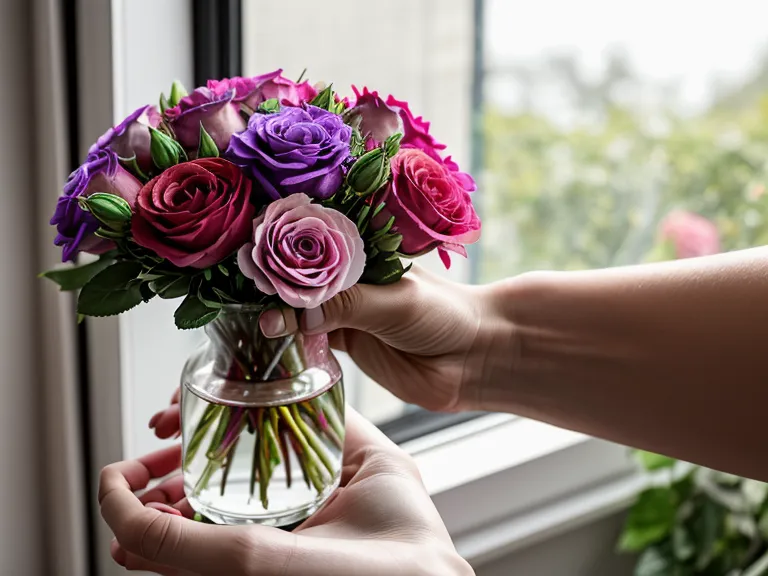
One afternoon much more recently, forty minutes after a courier left, I held my phone up next to a picture my mother had texted from her kitchen table. The blush ranunculus in the listing thumbnail were the same blush ranunculus sitting in her vase. Same color, same fullness, nothing swapped.
That kind of clean match is rare enough in my tracking that I still remember which service sent it. A full, structured comparison of accuracy rates across services is its own project, one I have written up in more depth elsewhere. What matters here is what to check yourself in the first ten minutes after a box or vase arrives: color first, then stem type, then count, then whether the greenery matches what was shown or has clearly been swapped for whatever was cheapest that week.
The Google Ad Mistake I Made More Than Once
For the first year of ordering, I picked services the way most people do. I clicked whichever ad sat at the top of the search results and assumed the position meant something about quality.
It did not. I was cutting through Phipps Conservatory in Schenley Park on a lunch break when a delivery notification hit my phone, and I realized I could not have told you a single thing about that service's actual delivery history. I only knew its ad budget was large enough to win the auction for that keyword that week.
Top ad position measures marketing spend, not whether the box will look like the photo. Conflating the two cost me a few disappointing deliveries before the spreadsheet habit caught up with the mistake.
The Floral Substitution Policy Nobody Actually Reads
Every service has a substitution clause buried somewhere in its checkout flow. The language exists to protect the company rather than the shopper, which is worth remembering before you assume a photo is a promise.
Allergies complicate this further. My mother's reaction to a lily substitution is the reason I keep the spreadsheet at all. These days I write "no lilies, confirm before substituting" directly in the delivery instructions rather than trusting a default field. Choosing allergy-safe species for a specific recipient is genuinely its own subject, worth researching separately if you are sending to someone with known sensitivities.
What Happens When a Delivery Misses Its Promised Window?
Same-day guarantees come with cutoff times that vary by service and rarely get read before checkout. That gap between the banner and the fine print is its own rabbit hole, worth researching before you rely on one for a same-day emergency.
Sending across time zones adds another layer. A baby shower gift bound for a college friend three time zones away runs on a different clock than a birthday delivery across town, and a service that is punctual in one zone can still miss the window in another. Out-of-state sympathy deliveries carry their own logistics too, coordinating with a funeral home's hours instead of a residential doorstep, a different enough problem that it deserves its own guide rather than a paragraph here.
A Shipped Box Never Weighs What a Local Delivery Weighs
Local florist relay and a shipped cardboard box are not the same delivery method wearing different packaging. The practical difference between the two is a longer conversation than fits in one paragraph here.
What you can tell in the first three seconds, before you even lift the lid, is the weight in your hand. A box padded with floral foam feels almost hollow, light enough that you brace for a smaller arrangement before you even see it. A real glass vase pulls your arm down the moment the courier hands it over. I have started using that weight difference as a first check, a rougher but faster read than waiting to unwrap anything.
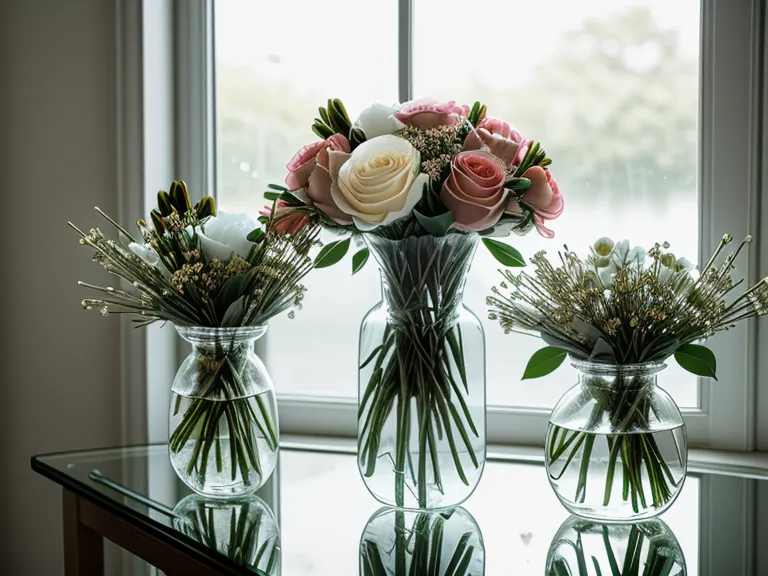
Vase quality tiers are a large enough topic that I have broken down why some flower delivery services send low quality glass vases elsewhere. What matters for catching a bait-and-switch in the moment is simpler. Heavy glass in your hand usually means the listing photo was honest. A nearly weightless box usually means it was not.
Are Balloon and Gift Add-Ons Worth the Extra Click?
Balloon and gift add-ons get tacked onto checkout right when you are least likely to scrutinize them. Whether the fulfillment on those extras holds up is inconsistent enough across services that I do not trust any blanket answer, including my own. A friend of mine, who volunteers weekend shifts at the Western Pennsylvania Humane Society, asked me last year whether the mylar balloon add-on she had ordered for a friend's recovery was worth the extra charge. My honest answer was that I had not tracked enough of them to say for certain either way.
My rule now is to treat any add-on as a coin flip. I budget for the flowers themselves, not the extras, to be the part of the order that actually has to show up right.
Build a Checklist Before You Hit Submit
None of this requires a spreadsheet as detailed as mine, just a habit of checking a few things before you pay. Read the substitution clause instead of skimming past it. Note whether a same-day order has a cutoff time buried somewhere in the fine print. Screenshot the listing photo so you have something to compare against once the box actually shows up.
Ask the recipient for a photo too, framed as wanting to see how the arrangement looks in their space, and compare it against your screenshot the same day it arrives. My tracking spreadsheet doesn't lie, and tracking deliveries this way over time is its own methodology, one I have documented in full elsewhere. The short version works fine for a single order: match the photo, match the count, match the vase.
Skip the top search ad. Skip the upsell you cannot verify. Send the flowers to whichever address actually gets checked when the box lands, whether that is a kitchen table in Pittsburgh or a funeral home three states away. The box on the porch should look like the photo you paid for, and now you know exactly what to photograph and what to ask for when it does not.