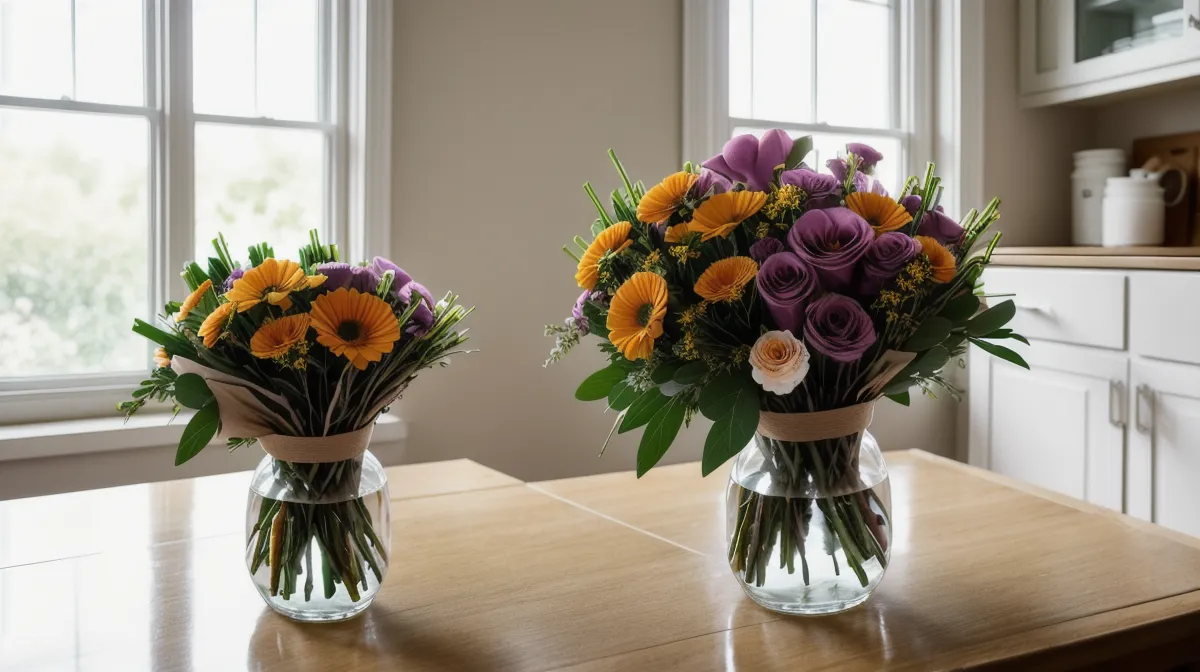
You might compare the photo on an online flower delivery order with the box that actually arrives and wonder whether the online florist swapped something before it ever left the shop. Most buyers never get the chance, because the comparison only happens if the recipient bothers to send a picture back, and most people are too polite to mention that the arrangement looked nothing like what was ordered.
After sending flowers for occasions ranging from my mother's birthday to apology bouquets for my sister-in-law two states over, I can give a straight answer. The photo and the delivery match less often than most online florists would like buyers to believe, and how often depends on the company, the season, and whether the arrangement leaned on rare stems or grocery-store staples. Order accuracy is not random. It follows patterns that show up clearly once you start tracking deliveries side by side with what was promised.
Why Online Florists Are Allowed to Swap What You Ordered
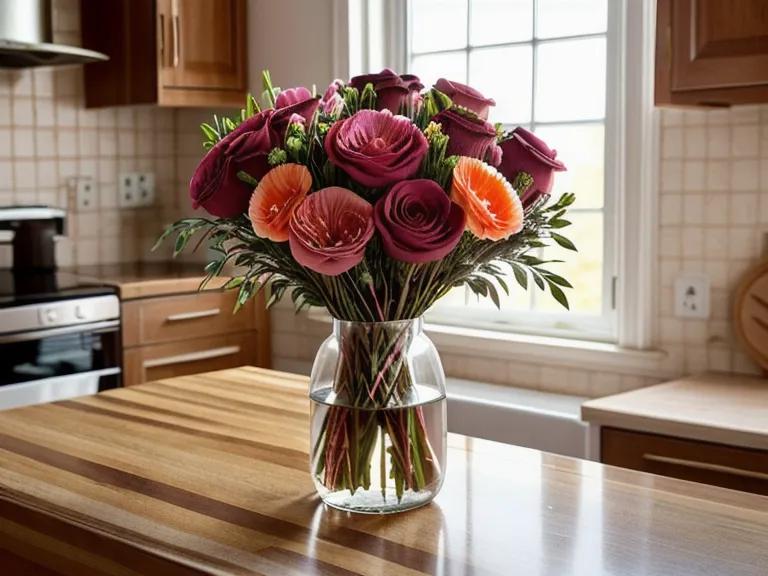
Clicking on a specific bouquet does not guarantee those exact stems end up in the vase. Under the fulfillment agreements that national flower delivery networks use, a local shop can substitute blooms of equal or greater value without telling the customer first, as long as the general color and style hold up. The industry treats this as standard practice. For the person who paid for a specific look and got a different one, it reads more like a bait and switch.
My sister-in-law's apology bouquet showed this clearly. I had ordered sterile, no-pollen snapdragons for a delivery two states over in mid-February, something safe enough for an uncertain household. What showed up instead was a vase of unstripped Asiatic lilies that had already burst open in transit, leaving yellow dust across the cardboard flap. Exactly why one shop reaches for lilies while another reaches for carnations comes down to that shop's own substitution policy, a topic deep enough to deserve its own article on its own, but the short version is that whatever sits in the cooler that morning usually wins over whatever was pictured online.
Shipped Box or Local Van: Which Protects Your Order Better?
There are two completely different ways a flower order can travel, and each carries its own substitution risk. Farm-direct parcel shippers pack dormant stems dry in insulated boxes and send them through standard couriers, which means the grower controls what goes in the box and stem swaps are rare. The tradeoff lands on the recipient, who has to unpack everything, trim the stems, and get them into water before the flowers look like anything.
Local-florist dispatch works differently. A driver drops off a finished arrangement already sitting in water inside a vase, but a small shop only keeps so many varieties in its cooler, so a web order for an unusual specialty bloom gets redesigned with whatever the shop already has on hand. I can usually tell before I even slice through the tape which kind of box I am holding, because a real glass vase adds enough weight that the whole package feels different lifting it off the porch than a lightweight parcel with loose stems rattling around inside. The one time I compared a delivered arrangement against a bouquet I bought in person from the Whole Foods Market on Centre Avenue in Shadyside, the grocery store flowers were fresher and closer to the display than anything that had been shipped, but buying in person only works if you happen to be standing in the same city as the recipient. For a full breakdown of how these two delivery paths performed across dozens of logged orders, my tracking spreadsheet doesn't lie: a side-by-side review of national flower services has the numbers.
Ordering Early Does Not Guarantee Fresher Flowers
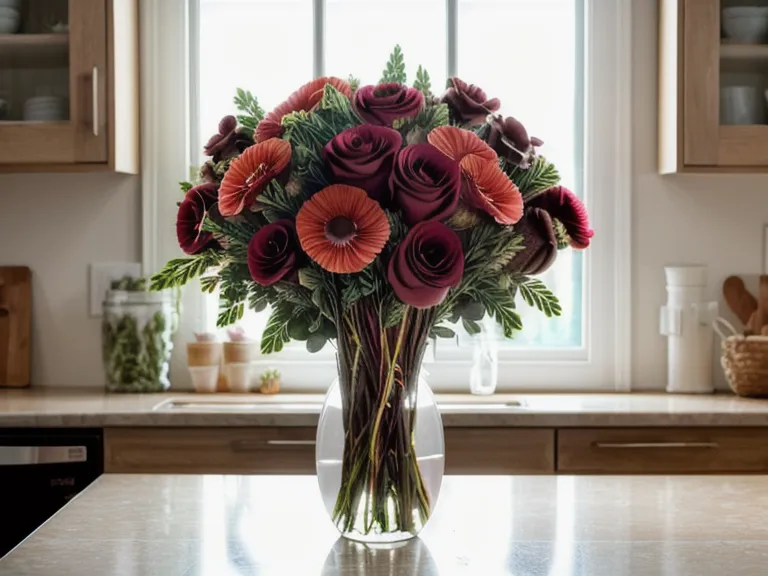
Conventional wisdom says ordering days or weeks ahead gets you the freshest bouquet. My delivery logs say the opposite happens just as often. A same-day order lands on a designer's bench and goes out within hours, using stems conditioned that same morning. An order placed a week ahead often gets slotted into whatever is left on the cutting table by the time the ticket prints, and that is not always the newest stock.
A late-spring sympathy order to an out-of-state colleague proved the point. I submitted the request before ten in the morning for delivery that same afternoon. The shop substituted cream spray roses for the stock photo flowers, but every stem was firm and the arrangement lasted twelve days on her dining table. Every service also sets its own cutoff time for what still counts as same-day, and missing it by even a few minutes can bump a delivery to the next calendar day without warning, which matters more once time zones get involved, since a cutoff advertised for the service's home zone can quietly arrive earlier for a recipient several zones away. Whether the stems show up tight in bud or already wide open is its own separate gamble, closer to how long they sat in a warehouse than to which company delivered them. My notes on choosing a same day flower delivery service for unexpected events go through how to time these orders.
The Stems Most Likely to Get Swapped
Across dozens of logged comparisons, certain flower structures get substituted far more often than others. Architectural, stiff-stemmed focal flowers with a short regional season are almost guaranteed to trigger a substitution. Peonies, calla lilies, king protea, and French tulips fall into this group, since their wholesale cost and limited availability make them the first thing a shop will swap for something cheaper. Standard hybrid tea roses, carnations, Peruvian lilies, known botanically as Alstroemeria, and ordinary chrysanthemums rarely get touched, because they are inventory staples that nearly every working flower shop keeps stocked year round.
Choosing an arrangement built around a narrow, monochromatic palette of rare stems is effectively an invitation for the fulfilling florist to redesign the gift with whatever bright filler is sitting in the cooler. Vase quality can slip in the same swap, since a few services quietly trade a heavy glass cylinder for a thin plastic sleeve without mentioning it anywhere on the order confirmation. Paying more for the listing did not reliably buy a closer match either; my own numbers made that pattern hard to ignore.
How Do You Protect an Order Before You Check Out?
You cannot eliminate substitutions on a national network, but a few habits cut the odds sharply. Use the order instructions box every time, and write something specific: if the primary flowers are unavailable, keep the arrangement in white and green instead of adding mismatched color. Shops tend to appreciate a clear constraint, because it heads off a complaint call later.
Specify no lilies if the recipient has asthma, severe allergies, or a curious cat at home. True lilies, the genus Lilium, carry heavy pollen and are toxic to cats, and that one restriction protects comfort and safety at the same time, though a fuller list of allergy-safe species is worth checking separately if that is the main concern for a household. Keep expectations matched to the delivery model too. A direct-shipped box is the way to go if you want the exact variety and do not mind trimming stems on arrival, while a local-florist dispatch makes sense if you want a finished arrangement at the door, as long as you stick to classic stems that any shop in the country already has on hand.
Checking My Numbers Against Someone Else's Spreadsheet
None of this started as a methodical project. Early on, I sorted delivery services by their best-seller badge, assuming it reflected which ones actually delivered what they promised. It took a few disappointing boxes to realize that badge mostly reflects ad spend, not delivery accuracy, and I dropped it as a filter entirely.
A woman named Laverne Holcomb commented on one of my posts with her own pivot table of delivery accuracy broken down by zip code. She has been logging her own orders since 2021, longer than I have, and her numbers track closely with mine for the services we both use, which is reassuring when you are the kind of person keeping a spreadsheet about flowers in the first place. My next-door neighbor, Joelle Fisk, has gotten used to the project too. She texts me a photo of whatever lands on her own porch before I even ask, since she knows I will want to compare it to the listing. What recourse you actually have once a bad substitution shows up, a refund, a reshipment, or just an apology email, varies enormously by brand and is worth checking before you order rather than after the box arrives.
What About Allergies, Pets, Holidays, and Hospital Deliveries?
A few situations raise the stakes beyond an ordinary birthday order. Sending flowers across state lines means the fulfilling shop works from a photo and a ticket with no chance for anyone to double check the arrangement before the van leaves, which is exactly why specific instructions matter more for those orders than for a local pickup. Hospitals add their own restrictions on top of all this, and some floors refuse fresh flowers altogether no matter what the delivery slip says, so a quick call to the nurses' station beats finding out at the door. Funeral deliveries carry a similar risk, since a funeral home can turn away an arrangement that does not match what the family was told to expect.
Order anywhere near a major holiday and every one of these odds gets worse, since every shop in the country works through the same backlog on the same morning. Add-ons like balloons or a stuffed animal travel through a separate fulfillment chain entirely and can arrive mismatched even when the flowers themselves are correct. How long an arrangement lasts afterward is also a separate question from whether it matched the photo in the first place, and the two do not always move together. None of that means ordering online is a bad idea. It means treating the listing photo as a rough sketch of what might show up rather than a guarantee, and building in instructions, timing, and a little skepticism before the credit Module_link__jTg6Z gets charged.