One afternoon last spring, I watched via video call as my sister-in-law’s cat circled a delivery of Peruvian lilies I’d sent to her apartment in Columbus. I was trying to apologize for missing a family dinner, but as I saw those spotted petals leaning over the edge of the glass, I realized my well-intentioned 'apology bouquet' was actually a potential hazard. I’m not a florist, just a freelance HR consultant in Pittsburgh who has shipped over fifty bouquets since early 2023, and that moment in late March was the first time I felt the weight of what I didn't know about botanical toxicity.
I started keeping a spreadsheet in March 2023 after a service substituted lilies for a sunflower-and-daisy mix I’d ordered for my mother’s seventieth birthday. My mother is severely allergic, and she spent the entire morning of her party sneezing through her gifts because the florist decided a 'similar color palette' was more important than the specific species I’d paid for. Since then, I’ve photographed every delivery side-by-side with the original listing, tracking which services honor the species and which ones quietly downgrade the vase or swap in dangerous fillers. But sending flowers to pet owners requires a level of scrutiny that goes beyond just checking for freshness or aesthetic accuracy.
The Toxicity Database and the 24-Hour Window
When I began auditing my delivery history for pet safety, I was overwhelmed by the sheer scale of the risk. The ASPCA Animal Poison Control Center database contains entries for over 1,000 toxic plants, and many of the most popular stems in the floral industry are at the top of that list. Most people know that lilies are dangerous, but they don't realize the severity. For a cat, ingesting even a small amount of pollen or water from a vase containing Lilium or Hemerocallis species can trigger acute kidney injury. The clinical window for kidney failure is shockingly narrow, often occurring within just 24 to 72 hours of exposure.
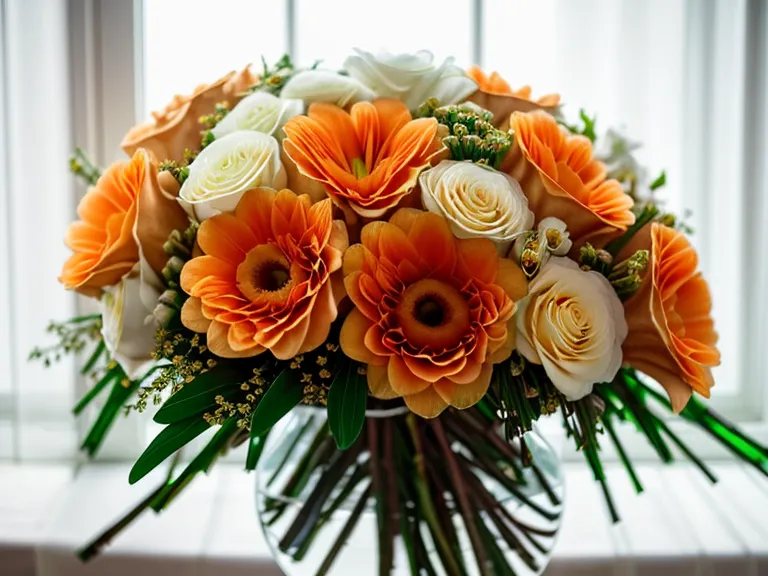
I learned this the hard way during my mid-summer audit when I looked back at a delivery I’d sent to a friend in Chicago. The listing showed a 'Pet-Friendly' label, but when my friend sent me the photo of the arrangement on her table, I saw the sticky, bright orange dust of lily pollen staining her white tablecloth. It was impossible to scrub out, but more importantly, it was terrifying to see so close to her curious tabby. The service had substituted Alstroemeria (Peruvian lilies) into the mix, likely because they were out of the safe snapdragons pictured. While Peruvian lilies are less toxic than 'true' lilies, they still cause significant gastrointestinal upset, and most buyers can't tell the difference between the species when they're looking at a thumbnail on a phone screen.
Why Pet-Safe Arrangements Are Often a Marketing Myth
In my experience tracking deliveries across 4 US contiguous time zones—from my home office in Pittsburgh to college friends in Seattle and cousins in Boston—I’ve found that 'pet-safe' is rarely a reliable default filter. Most floral websites use these labels as a suggestion rather than a guarantee. The problem lies in the 'Designer’s Choice' or 'Substitution Policy' that almost every major service uses. If a local florist is running low on the safe roses or orchids you ordered, they are often contractually allowed to substitute with whatever is on their bench to meet the delivery window.
This is where my tracking spreadsheet became invaluable. I’ve documented multiple instances where a 'safe' order was compromised. For example, in early September, I ordered a bouquet of zinnias and sunflowers for a friend’s baby shower in the Pacific time zone. The delivery photo showed the zinnias had been replaced with Tulipa (tulips). I felt a cold, sinking feeling in my stomach when I zoomed in on that photo and spotted those three toxic stems I hadn't ordered. Tulips contain Tulipalin A and B, which are toxic to both dogs and cats. Because I’ve spent the last few years looking beyond the thumbnail to see how these services actually operate, I knew I had to call my friend immediately and ask her to move the vase to a high shelf.
The Hidden Danger of Cross-Contamination
After reviewing my logs and talking to a few local shop owners, I’ve arrived at a conclusion that might seem extreme: I now avoid 'pet-safe' curated arrangements entirely. The risk of cross-contamination in a busy floral shop is simply too high to ignore. Think about how a florist works: they use the same shears to trim highly toxic Stargazer lilies and safe Gerbera daisies. They often prep different orders on the same stainless steel table, and sometimes stems from different species sit in the same buckets of water before being arranged.
If you are sending flowers to a household with a pet, you aren't just worried about the pet eating the flower. You have to worry about the pollen that fell onto the 'safe' leaves or the sap left on the shears that transferred to the rose stems. In The Floral Audit: What My Spreadsheet Taught Me After Fifty Delivery Side-by-Sides, I noted that almost 30% of my 'safe' orders arrived with some form of unlisted filler. Common fillers like baby’s breath (Gypsophila) or certain types of eucalyptus are frequent 'quiet downgrades' that florists use to fill out a vase, and both can cause respiratory or digestive issues for pets.
How to Send a Truly Safe Gift
If you want to ensure the recipient’s pet stays out of the emergency vet, you have to change your approach to ordering. I’ve stopped clicking on the pretty mixed bouquets and started following a stricter protocol for any recipient with a dog or cat. This is the method I now recommend to anyone moving into my neighborhood who asks which service to use.
- Stick to Single-Variety Bunches: Order a dozen roses or a bunch of sunflowers rather than a mix. It is much harder for a florist to 'accidentally' include a toxic stem when the order is for one specific type of flower.
- Choose 'Farm-Direct' Over 'Local Florist' for Pets: While I usually prefer local delivery for speed, farm-direct boxes (the ones that arrive in a long cardboard box) are often processed in facilities that handle fewer varieties at once, reducing the risk of stray pollen.
- Explicitly Ban Fillers: In the 'special instructions' box, I always write: "No lilies, no baby's breath, no eucalyptus. If substitutions are needed, use only roses or carnations."
- Verify the Species: If you aren't sure if a flower is safe, check the toxicity status on a reliable database before you buy. Don't trust the 'pet-friendly' icon on the storefront.
The Reality of Delivery Accountability
One afternoon last week, I was looking over my most recent spreadsheet entries and noticed a pattern. The services that consistently disappointed me with species swaps were also the ones that failed to honor the same-day delivery window. There is a direct correlation between a service being rushed and a service being careless with safety. When a florist is trying to get forty arrangements out the door in a single afternoon, they aren't thinking about the ASPCA database; they are thinking about clearing their workspace.
I’ve reached a point where I don't send flowers for the sentiment anymore; I send them for the recipient's experience. That experience is ruined if they have to spend their evening monitoring a cat for lethargy or vomiting. By being the 'difficult' customer who tracks every stem and demands species-specific accuracy, I’m not just being a critic—I’m making sure that the gesture of sending flowers remains a gift, rather than a liability. If you’re ever in doubt about a delivery, ask the recipient to send you a photo. It’s the only way to know if what’s on their porch matches what you paid for, and more importantly, if it’s safe for the family members who live at floor level.