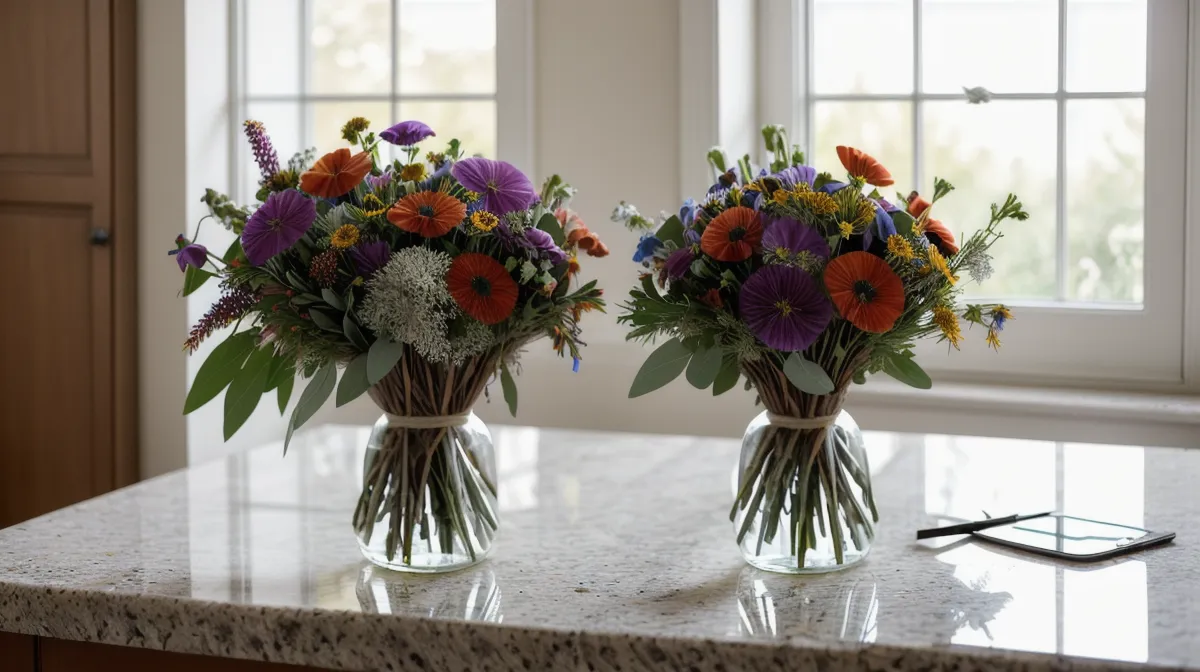
Late one afternoon last spring, I sat at my dining table in Pittsburgh with a tape measure and a camera, comparing a delivery to its website thumbnail. After my mother's allergic reaction to a lily substitution at her seventieth birthday party, I stopped trusting the marketing and started tracking the data. Seeing her spend her milestone morning sneezing because a florist swapped a sunflower-and-daisy mix for high-pollen lilies was the breaking point for me.
Before we dive into the data, you should know that most of the flower delivery service links on this page are affiliate links. If you order through one I earn a commission, and the price you pay stays the same as if you went direct. Every service reviewed here was paid for out of my own pocket on real occasions: birthdays, sympathy bouquets for my cousins, and a steady stream of apology deliveries to my sister-in-law. The full transparency note and my side-by-side photo policy live on the About page.
Why I Started Auditing My Flower Deliveries
My background in HR makes me a natural for spreadsheets. I’m used to tracking performance metrics and looking for patterns in behavior, so when FTD substituted those lilies back in March 2023, I didn't just get annoyed—I got organized. I began logging every delivery to my sister-in-law two states over and my college friends scattered across three time zones, noting which services actually honored the species list and which ones treated 'sunflowers' as a vague suggestion.
Since that allergic incident, I’ve photographed every delivery side-by-side with the original listing. I track which services swap species, which honor the same-day window, and which quietly downgrade the vase quality from the heavy glass shown online to a thin, plastic alternative. Living in Pittsburgh, in USDA Hardiness Zone 6b, I also pay attention to how well these flowers handle the transition from a delivery truck to a drafty porch. You can read more about my process in The Spreadsheet Doesn't Lie: My Year Tracking Flower Substitutions and Delivery Windows.
The Great Substitution: FTD vs. From You Flowers
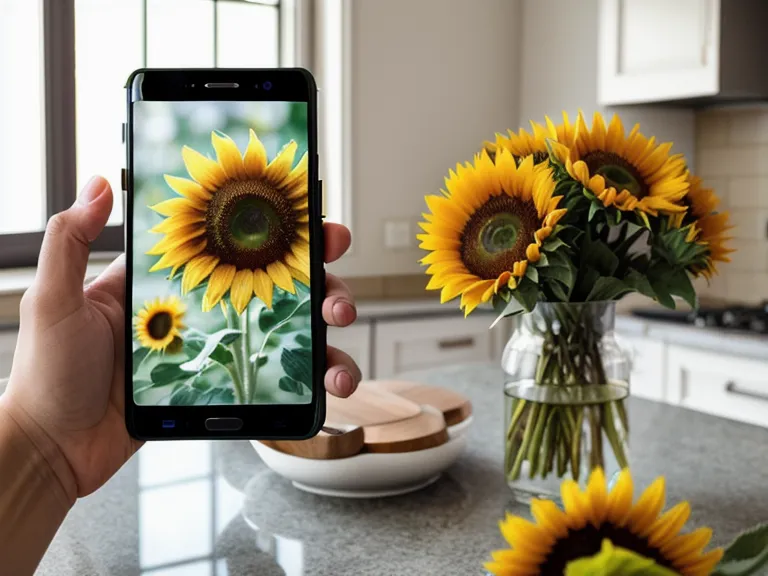
In mid-February, during the peak Valentine's rush, I tested FTD against From You Flowers. FTD is the oldest player in the game, and their policy on substitutions is actually quite transparent if you bother to find the fine print. They generally try to stay within the 'filler-to-focal' ratio, which is a standard metric used by florists to balance bouquet costs while maintaining visual volume. However, in my experience, they are the most likely to swap a focal bloom like a rose for a high-volume filler if the local shop is running low.
From You Flowers impressed me once with a delivery to my friend in the Mountain time zone, but they’ve been inconsistent since. In early May, I ordered a 'Premium' tier arrangement—which in the floral industry usually just means a higher stem count of the most expensive species—and what arrived looked suspiciously like the 'Standard' version. When I’m paying for a specific look, I don't want a 'Standard' experience. If you're curious about the specifics of these audits, check out The Floral Audit: What My Spreadsheet Taught Me After Fifty Delivery Side-by-Sides.
Box-Shipped vs. Hand-Delivered: The Presentation Gap
One of the biggest realizations in my spreadsheet was the difference between the box-shipped models like ProFlowers and the hand-delivered networks like Teleflora. This isn't just about who carries the vase; it's about the labor required by the recipient. When I sent a sympathy bouquet to my cousin Margaret late last August, I chose Teleflora because I didn't want her dealing with cardboard boxes and shears during a funeral week.
ProFlowers arrangements often arrive in a box with the stems untrimmed. To give the flowers a fighting chance, the recipient has to trim the stems at a 45-degree angle to maximize water uptake. While this is standard care, it's a lot to ask of someone who just received a 'gift.' Teleflora uses local florists, so the arrangement arrives fully assembled. The tradeoff, as my spreadsheet shows, is that the quality varies sharply depending on which local shop in Pittsburgh or elsewhere gets the order. For a more detailed breakdown of this specific battle, see Teleflora vs ProFlowers: Comparing Local Florists and Shipped Boxes.
The ZIP Code Factor: Why Rural Deliveries Fail
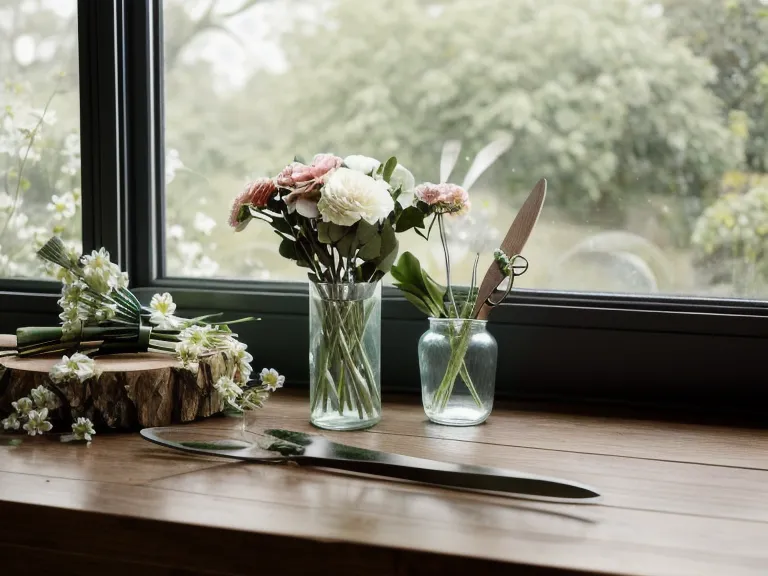
A surprise finding emerged when I started shipping to my cousins in more rural areas. The substitution rates for Send Flowers spiked significantly compared to my metro-area deliveries. In a city like Pittsburgh, florists have access to massive wholesale hubs. In a rural ZIP code, they are limited to what’s in the cooler that morning. I’ve seen 'vibrant spring mixes' turn into 'whatever carnations we had left' more times than I can count when shipping outside major cities.
I also noticed a measurable tradeoff regarding longevity. Direct-to-consumer farm shipments, like those often used by ProFlowers, actually tend to maintain higher vase longevity than local florist deliveries. Why? Because the supply chain eliminates intermediate storage periods. A local florist might have had those roses in their cooler for three days before they reached your recipient. A farm-direct box comes straight from the source. However, you lose that 'ready-to-display' convenience. It’s a choice between a bouquet that looks perfect for three days or one that looks okay for seven but requires work on day one.
Final Verdict from the Spreadsheet
After sixty-plus entries, I’ve realized that while no service is perfect, knowing which ones downgrade the vase or swap the focal bloom allows me to gift with confidence. A few weeks ago in September, I sent another apology bouquet to my sister-in-law. I knew exactly which service to use to ensure she got the hydrangea she likes rather than a cheap pom-pom substitute.
If you're sending flowers to a household with cats or dogs, remember that substitutions can be dangerous. A florist might swap a safe bloom for a toxic one without thinking. I’ve documented how to handle this in How to Choose Safe Flowers for Delivery to Households with Pets. For most occasions, I still lean toward FTD because their network is the most robust, but I always keep my camera ready for the unboxing. The current pricing for all these services is available on their respective websites and can change based on the season and delivery location.
Don't just trust the thumbnail on the screen. Start your own log, or better yet, use mine to decide where to put your money. If you want a service that handles the heavy lifting of local coordination, check out the options at FTD before your next big occasion.
| Product | Rating | |
|---|---|---|
| FTD Top Pick | 9.2 | Read More → |
| From You Flowers | 8.8 | Read More → |
| Send Flowers | 8.4 | Read More → |
| Teleflora | 8.1 | Read More → |
| ProFlowers | 7.8 | Read More → |
FTD
Pros
- ▸ Massive network ensures same-day delivery works in most ZIPs
- ▸ Most consistent at following the focal-to-filler ratio
- ▸ Substitution policy is clearly defined for buyers
- ▸ Reliable presentation for formal events like funerals
Cons
- − Local florist quality can vary by neighborhood
- − Premium upgrades sometimes feel identical to standard