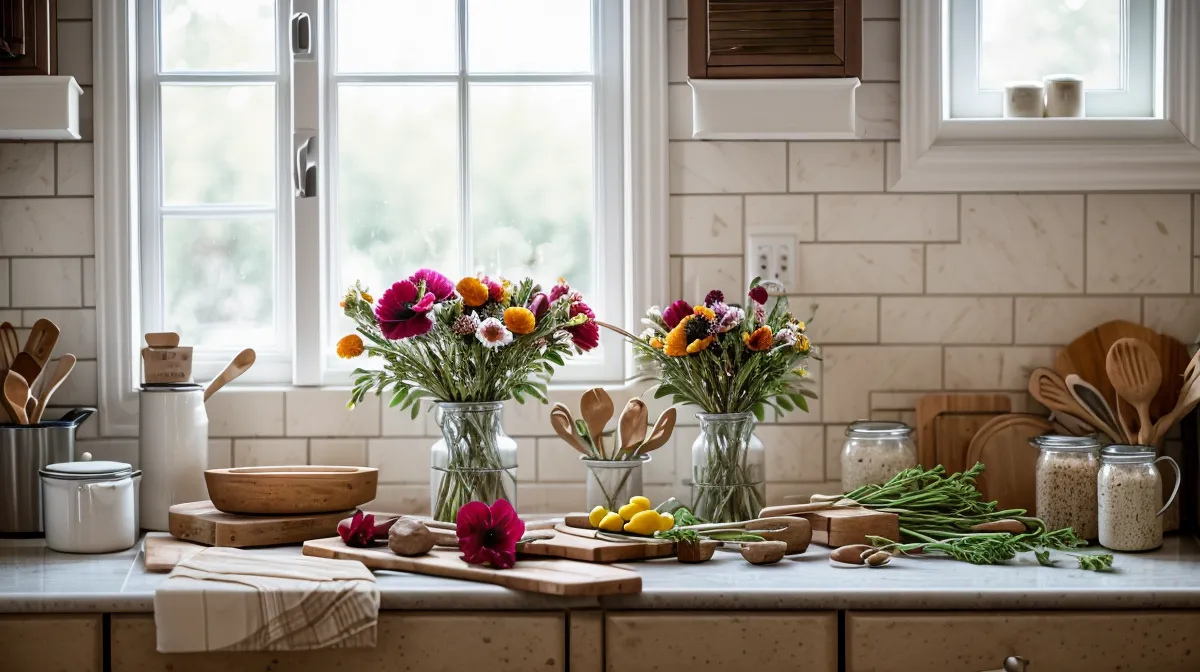
Seventeen stems, laid out on the window ledge next to my laptop, get counted against the listing thumbnail before I even touch the card. That is the ritual now. Every allergy-friendly delivery gets a stem count and a side-by-side photo before anyone in the house gets near it. Flower delivery sites love the phrase hypoallergenic bouquet, but a website tag does not tell you what actually ends up in the vase, and after enough FTD orders swapped one species for another, I stopped trusting the tag and started counting.
A swapped species at a birthday delivery years back is the reason any of this started, lilies where daisies should have been, and a room full of sneezing that nobody enjoyed. I never went back to trusting a stock photo after that. Now every order gets logged, whether it is headed to my mother, to my cousin, or to my sister-in-law two states over on one of her many apology occasions.
Sorting by Best-Seller Nearly Cost Me
Before I trusted stem counts, I trusted badges. Every delivery site has one, a Best Seller or Top Rated label slapped on whatever arrangement got the most clicks that month, and I used to sort my options that way, assuming popular meant accurate. It does not. That badge tracks how much a florist or a wire service spent pushing an arrangement to the top of search results, not how often the box that arrived matched the photo. I found that out the slow way, ordering three different best-seller bouquets for three different occasions and getting substitutions on two of the three.
Why FTD's Wire Network Swaps What You Ordered
FTD works through thousands of independent local florists rather than one central warehouse, so whatever inventory a specific shop has on a specific morning decides what actually gets built. If they are out of your daisies, they reach for whatever is on hand, and that is the substitution problem in one sentence. I have broken down why online flower delivery services swap species so often in more detail elsewhere, so I will not repeat the mechanics here. What matters for an allergy send is narrower: know which substitutes are dangerous before you place the order, not after the box shows up on the porch.
What Actually Makes a Bouquet Allergy-Friendly
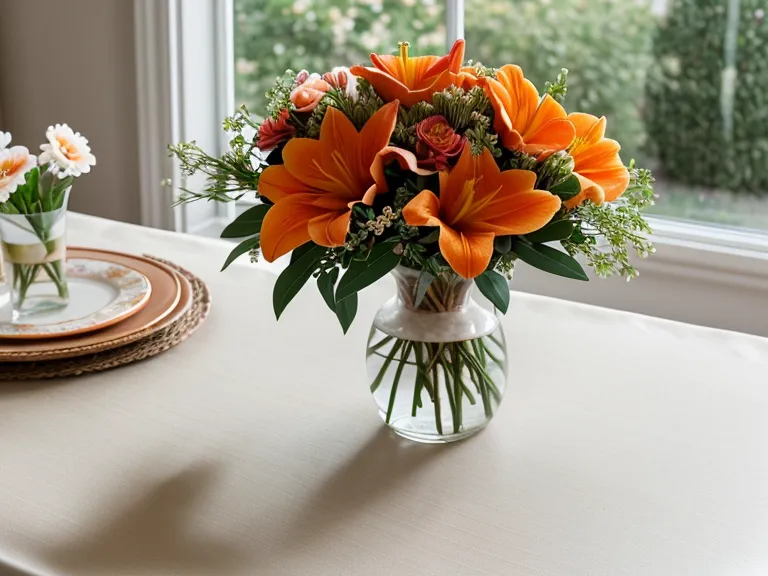
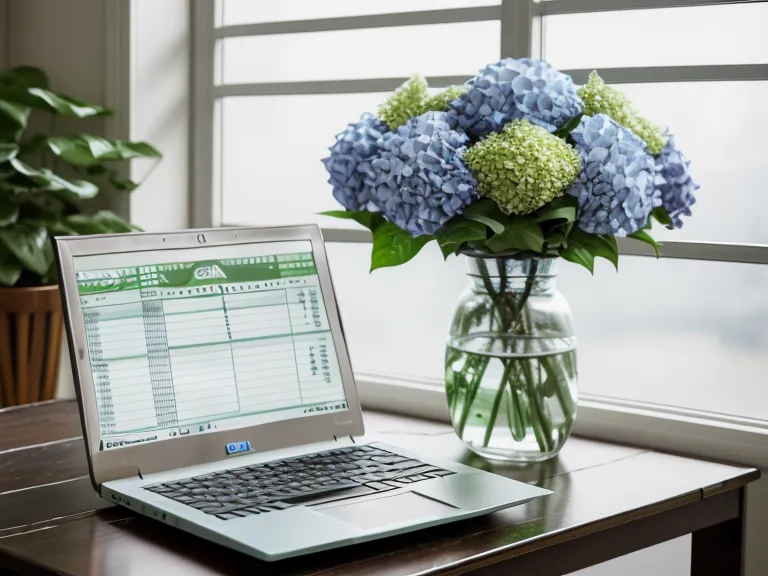
Lilies are the one substitution to refuse outright. They throw off heavy, visible pollen, and they are one of the flowers a florist reaches for most often when your original pick is out of stock, which is exactly the combination that makes them so common in allergy incidents. Hydrangeas, tulips, and most roses are safer choices on their own, but a safe species can still get padded with a filler flower like goldenrod or baby's breath, and that filler is often the actual trigger, not the flower you ordered. Stock and other heavily scented varieties cause a different kind of trouble. It is not only the pollen count, the scent itself seems to be enough to set some people off, in a way that a low-pollen label on the listing will not warn you about.
My neighbor Joelle, three doors down, has started sending me photos of her own porch deliveries before I have even asked, comparing notes the way we compare notes on anything else that shows up at either house. It is a small thing, but it confirmed I am not the only one on the block checking a box against a website photo before deciding whether it is safe to bring inside.
The Special Instructions Field Is Not Optional
Every allergy-safe order I place now goes through the special instructions field, and I do not write anything vague. I spell out that the recipient has severe allergies, name the species that are banned outright, name the one or two substitutes I will accept, and say to cancel the order if none of that is possible. Florists read that box differently than a generic delivery. A style swap is a minor annoyance. A swap that could send someone to urgent care is a liability they would rather avoid. The same-day cutoff each service advertises matters here too, since a rushed, last-minute substitution against that deadline is where I have seen some of the worst allergy surprises land, a subject I have covered in more depth in my review of same-day flower delivery services.
Reading a Delivery Photo Against the Listing
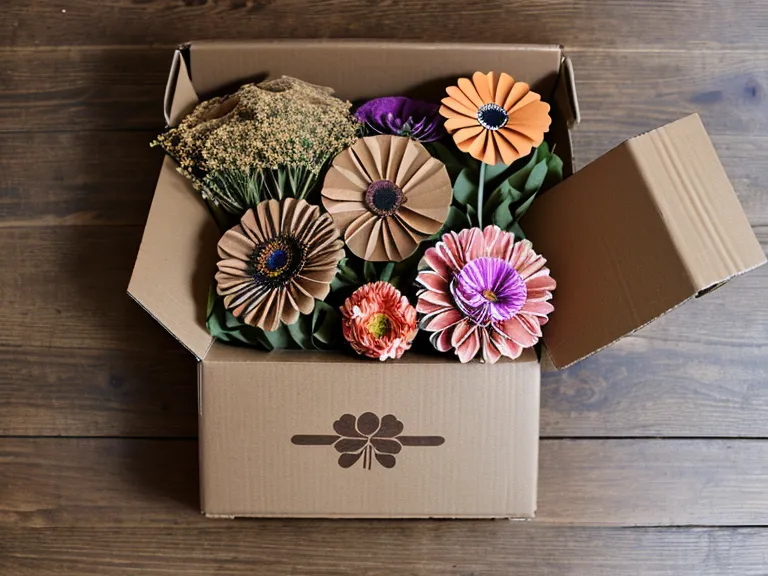
The window ledge in my office has become the fixed spot for every comparison photo, listing thumbnail open on one side of the screen, delivered box on the other, before a single stem gets touched. A corkboard behind the laptop holds the pairs I keep coming back to, the ones where the accuracy held and the ones where it clearly did not. A stack of flattened delivery boxes in the corner sits there for the same reason, evidence I do not want to throw out until a pattern is clear. Some of what I have learned about photo-to-delivery accuracy lines up with what other trackers report. A woman I only know from a consumer-review forum, Laverne, keeps a more detailed breakdown than I do, sorted by zip code, and comparing notes with her most months has been more useful than any single review site. I got into the accuracy question in more depth in a piece testing FTD's accuracy on a sunflower order, if the topic interests you beyond allergies specifically.
Seventeen Stems, Six Weeks In
Six weeks into logging every order this way, one delivery matched completely: seventeen stems counted against the listing, same species, same color, not one swapped out. It was not a big bouquet or a special occasion, just an ordinary send, but it was the first time the count matched exactly, and it told me the instructions field and the badge-skepticism were working together instead of just feeling like extra effort. That is the lesson worth keeping from all of this. Do not rely on a single signal, not the badge, not the allergy tag, not the price tier. Layer the instructions, the species knowledge, and the photo check together, and the odds of an allergic reaction at someone's birthday or baby shower drop by a lot more than any one of those steps manages alone.