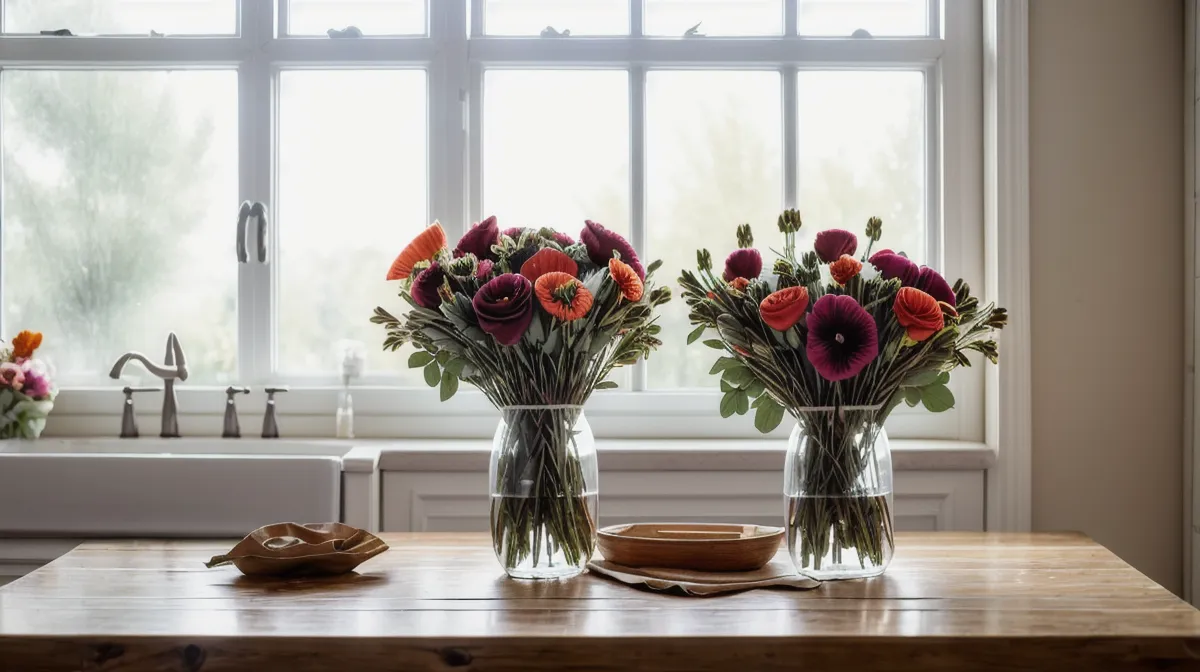
Late one evening, staring at an unread text chain with my sister-in-law two states over, I realized an apology delivery was my only real gesture. But I also knew from bitter experience that a box of bruised stems arriving on her front steps would only make things considerably worse.
Apology flowers carry absolutely zero forgiveness margin. When you send an arrangement for a birthday or a casual promotion, a droopy stem or a bent petal gets laughed off or trimmed away over the kitchen sink. When you send flowers because you were sharp, absent, or thoughtless, the physical condition of that box becomes an unspoken proxy for how much you actually cared. Receiving limp, blackened petals packed into dry tissue feels dismissive and rushed, almost like an automated shrug bought with a credit card.
Over the last eight months, from late winter through early autumn, I found myself revisiting my delivery tracking logs to solve this exact problem. I have shipped dozens of bouquets across state lines since early 2023, cataloging unboxing photos against website promises. Long-distance shipping via courier vans is brutal on cut stems. If you want an apology to land with genuine grace rather than embarrassment, you have to stop shopping with your eyes on glossy catalog arrangements and start shopping for biological resilience.
The Transit Trap: Why High-Drama Flowers Fail Long Distances
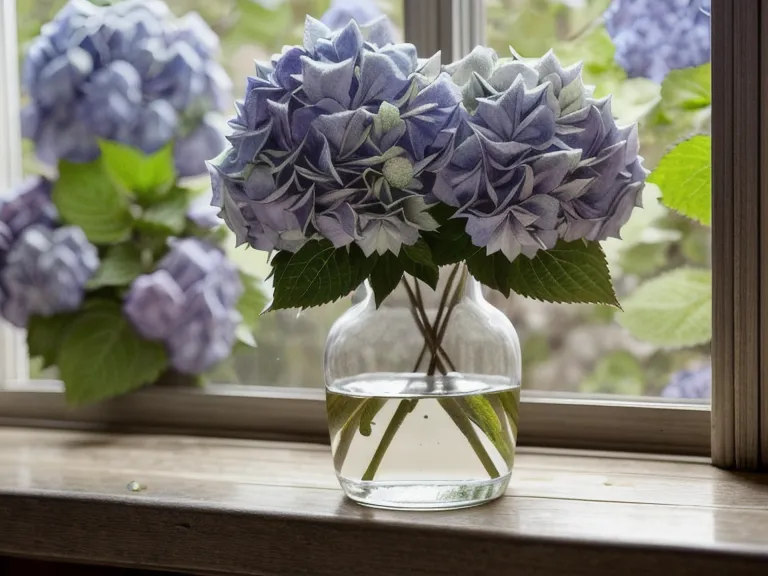
Most people reaching for an online flower catalog to say sorry gravitate toward the same three things: massive hydrangeas, open garden roses, or delicate mixed field bouquets. Catalog photography rewards these blooms because they look plush, lush, and emotionally lavish on a backlit laptop screen. But two-day dry transit inside a corrugated cardboard carton tells a completely different story.
One Friday afternoon last spring, I ordered an eighty-dollar hydrangea and rose mix to soothe tensions with my sister-in-law after an unnecessary scheduling argument. She was gracious enough to text me a photo when the package landed on her porch. Even through a smartphone lens, the result was heartbreaking. The damp, sour smell of bruised cardboard in the unboxing photo my sister-in-law texted back after the hydrangeas dropped seemed to radiate right off the screen. The large blue mophead blooms had completely collapsed into wrinkled, brown-veined tissue.
Hydrangeas are notorious for vascular air locks. In horticultural terms, if air enters their woody stems during dry-pack shipping, hydrangeas can wilt irreversibly within three hours. They drink heavily through both their stems and their petals, and being sealed in a dark shipping Nav_wrapper__zWZi9 during warm weather drains their turgor pressure before the box even reaches the sorting depot.
Then there is the trap almost everyone falls into when trying to make amends: the classic long-stemmed red rose. It seems traditional, safe, and emotionally significant. Yet my spreadsheet logs show that long-stemmed roses are perhaps the worst possible choice for long-distance transit. Cut roses possess a high respiration rate, meaning they burn through their internal carbohydrate reserves quickly while trapped in warm cardboard packaging. By the time the recipient cuts the taped box open, the guard petals are bruised blue or black from rubbing against the packing paper, and the heavy heads suffer from bent-neck syndrome, dangling lifelessly over the rim of the vase. Nothing says 'I sent this without thinking' quite like a dozen exhausted, drooping roses that need immediate emergency triage.
If you have ever opened a delivery box only to find an unrecognizable tangle of greenery, you are familiar with how easily catalog promises unravel. It pays to understand common flower species substitutions to watch for when ordering online before trusting a photograph that depends on fragile, temperamental stems.
The Durable Stems That Actually Survive the Journey
When you need a gesture that looks upright, crisp, and clean upon opening, you must select stems engineered by nature to withstand dry transit. You are not looking for flowers that look completely blown open on day one. You are looking for tight, healthy structures that travel dormant and wake up in water.
The single most reliable bloom in my shipping spreadsheet is cut alstroemeria, commonly known as the Peruvian lily. While often dismissed by high-end design shops as everyday filler, modern alstroemeria hybrids are incredible travelers. They ship safely in closed bud form, unaffected by the friction of shifting cardboard. Under standard room conditions, the average cut alstroemeria vase life reaches 14 days, easily outlasting almost every standard rose or lily on the market. When they arrive, they look like neat green clusters; after about four days, they unfurl into intricate, orchid-like trumpets that fill a room with steady color long after the initial tension of an argument has dissolved.
Another workhorse for long-distance reconciliation is the double spray carnation. Modern varieties, grown in shades of antique mocha, dusty terracotta, and soft blush, bear little resemblance to the dyed neon blooms of decades past. Their ruffled petal structure is naturally compact and cushioned against bruising. More importantly, their firm, segmented stems do not easily crush under transit ties, and they tolerate fluctuating depot temperatures far better than soft-stemmed spring flowers like ranunculus or anemones.
If you want larger focal blooms that still command attention, closed-bud Asiatic and Oriental lilies are vastly superior to roses. The buds are tough, waxy, and resistant to mechanical damage in the carton. When they arrive, they require the recipient to place them in clean water, but watching them open one petal at a time over the course of a week creates an ongoing, gentle presence in the recipient's living space. Just ensure you know whether the recipient has cats, as lily pollen is toxic to felines, an oversight that would turn an apology into an emergency vet visit.
Packaging Methods: Farm-Direct Boxed vs. Local Florist Hand-Off
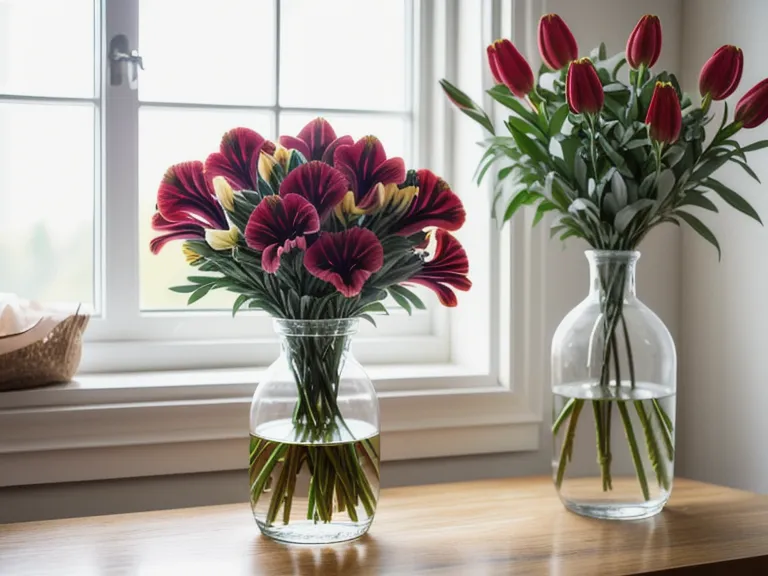
How the flowers travel matters just as much as the species you pick. Over my dozens of orders, I have split my purchases between direct-from-farm boxed couriers and wire-service local florist dispatches. Each method carries specific risks when the recipient lives several states away.
Farm-direct boxed arrangements arrive via national express carriers. They travel dry, often with hydration gel caps over the stem tips. Flowers shipped in bud form rather than fully blown open withstand packaging friction and temperature swings far better during transit. If you choose this route, you must accept that the box will arrive looking unarranged. The recipient has to unpack the stems, trim them, and put them in a vase. For an apology, this can feel slightly informal, but the upside is flower longevity. You are giving fresh stems that have not spent days sitting in a local retail display cooler.
Local florist delivery, arranged through online platforms, promises a finished arrangement delivered in water. When this works, it offers immediate visual impact. The recipient opens the door, takes a full vase into their hands, and places it directly on the table. However, local fulfillment carries heavy substitution volatility. When local shops run out of the specific stems featured in the stock photo, they swap them out under broad substitution clauses in the fine print. I have had delicate peach roses swapped for bright yellow standard mums without any prior notice, completely changing the tone of the message from quiet regret to abrasive cheerfulness.
Whenever you are evaluating which delivery route to trust for an important occasion, it helps to review what actually arrives on the porch comparing the major flower delivery services so you are not caught off guard by unannounced packaging downgrades.
Practical Instructions to Include with an Apology Order
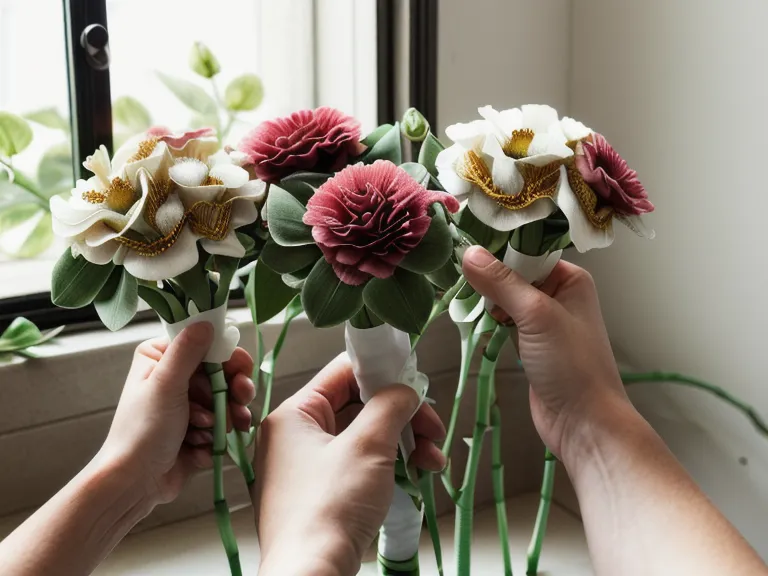
One mistake I made early on was assuming the recipient would know how to revive dry-packed stems. When sending flowers as an apology, you cannot text them a chore list. You cannot send a paragraph saying 'make sure you trim those stems immediately or they will die.' That defeats the humble nature of the gift.
Instead, use the custom gift Module_link__jTg6Z message thoughtfully, or select services that print clear, minimal prep instructions right on the inside lid of the carton. For any long-distance dry shipment, water uptake depends on physical surface area. The standard stem recut angle for vascular uptake is 45 degrees, taken about an inch from the bottom under running water or in a clean sink. This diagonal slice prevents the blunt stem ends from resting flush against the vase bottom, which blocks the vascular channels, while exposing maximum xylem area to the clean water.
If you are coordinating delivery to someone who may not be home during work hours, avoid warm weather dry shipments entirely. A parcel sitting in direct sun on a covered porch for four hours will cook even hardy blooms like carnations and alstroemerias. Early autumn and late winter orders carry less heat risk, but freezing temperatures present an equal hazard, turning delicate petals translucent and glassy within minutes of doorstep exposure.
If you suspect an order was mishandled or substituted beyond recognition, documenting the unboxing is your only consumer leverage. You can consult my previous notes on how to photograph flower deliveries to ensure you get what you ordered to protect yourself when a service drops the ball on an important delivery.
The Real Meaning of an Apology Delivery
An effective apology gift is never about choosing the flashiest, most expensive image in an online catalog. It is about understanding the logistical reality between your payment screen and the recipient's kitchen counter. Lavish blooms that arrive wilted, weeping water through soggy cardboard, only signal carelessness. Choosing resilient, bud-stage flowers that arrive intact, travel comfortably, and bloom steadily over two weeks demonstrates deliberate care, patience, and genuine consideration.