
What actually shows up on someone's porch when a website promises a bouquet that looks like a magazine spread? That question is the whole reason this site exists, and it's the reason I run every flower order through the same test before recommending anything: order it, photograph the listing page, photograph what lands on the doorstep, and hold the two images side by side. Flower delivery reviews rarely do that work. Most just repeat the marketing copy.
A quick note before anything else: some of the links on this page are affiliate links, and if you order through one I earn a commission at no extra cost to you. Every service named here got paid for out of my own pocket, on real occasions, not samples sent in for review. That distinction matters more in this niche than most, because a service that treats a review copy carefully has no particular reason to treat a paying stranger's order the same way.
Why This Turned Into a Consumer Advocacy Project, Not a Floral Gift Guide
My background is HR consulting, not floristry, which probably explains why I ended up treating flower delivery like a compliance audit instead of a shopping trip. A substitution a while back sent the wrong species to my mother, who has allergies that make the wrong flower more than a cosmetic problem, and that was enough to make me stop trusting a listing photo at face value, especially once I started sending to recipients in different time zones than mine, from college friends out west to my mother two counties over. So this became less of a floral gift guide and more of a running record: which services match the photo, which quietly downgrade the vase, and which notify you before swapping a bloom instead of after.
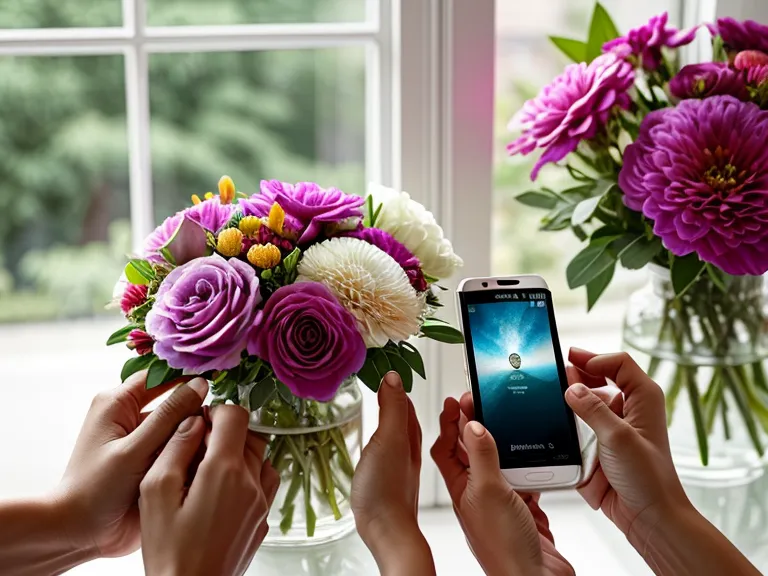
The spreadsheet itself just logs the occasion, the recipient, and what showed up next to what was promised, and somewhere along the way it turned into something closer to consumer advocacy than product recommendation. The pattern that matters isn't which bouquet looks best in a listing photo. It's which company tells the truth about what's actually going into the box.
What Does "Same-Day Guaranteed" Actually Guarantee?
Not what most people assume, in my experience. The apology bouquet I sent my sister-in-law last winter is the clearest example I have. The listing carried a banner promising guaranteed same-day delivery, and I trusted that banner enough to skip reading anything else on the page. What I missed was a line buried in the service's own FAQ stating that orders placed after noon got pushed to the next day. The banner wasn't false, technically. It just wasn't the whole rule, and I paid for that gap by having an apology arrive a day later than the apology needed to.
Cutoff times like that vary by service and by where the recipient lives, which is exactly the kind of detail that never makes it into the banner copy.
The Moment a Local Florist Takes Over Your Order
Most national sites work as wire services, handing the order to whichever local florist is in the network near the recipient, and that handoff gets tested hardest during Mother's Day and the week around Thanksgiving, when local florists are running at capacity and a printed substitution policy matters a lot less than what's actually sitting in the cooler that morning.
What arrives also depends on the bloom stage the flowers were at when they left that cooler, since a bouquet photographed at full bloom for the listing can show up still tight and closed even when nothing was technically substituted, which is exactly why the spreadsheet doesn't lie the way a five-star review can.
Does a Higher Price Tag Buy You Accuracy?
Not reliably, based on what I've tracked. Going into this, I expected the pricier, premium-branded services to beat the discount sites on matching the listing photo. From You Flowers broke that assumption: it gets filed under budget-friendly by most comparison sites, but its delivery confirmation has been more consistent than several brands charging more for the same occasion, and the vase that arrives is a downgrade from the one pictured less often than with pricier competitors. The bouquets themselves can run smaller than the listing photo suggests, so it isn't flawless, but the gap between promise and delivery has stayed narrower there than I expected from a value-tier option.
My friend Portia, a college roommate from Pitt who's lived in Atlanta since we graduated, judges every arrangement by a simpler standard than my spreadsheet: she asks her kids whether they can name the flowers in the vase. It sounds informal, but the bouquets that pass her test are rarely the most expensive ones on the page, which tracks with what my own data shows about price tier having surprisingly little to do with whether what arrives resembles what was ordered.
Shipped in a Box Versus Hand-Delivered: Why It Matters at a Funeral
A neighbor of mine, Kira, stopped me on the sidewalk after finding this site through a neighborhood Facebook thread. She needed a sympathy arrangement sent to a funeral in Phoenix with three days to arrange it, and her first question wasn't whether the flowers would match the listing. It was whether the arrangement would survive the trip without the blooms getting mashed against the inside of the box, and testing value and reliability across dozens of orders has taught me that's a fair question once a delivery is crossing state lines instead of just crossing town.
Services built around local florist delivery hand over a finished arrangement, already in water, already trimmed. Box-shipped services like ProFlowers save money by skipping that labor and passing it to the recipient instead, which means someone grieving, or an office manager setting up before a meeting, ends up trimming stems and rehydrating flowers before the gift even looks like a gift. Add-ons like balloons or a Module_link__jTg6Z tend to survive shipping fine either way; it's the flowers themselves that suffer when a box sits on a porch for a few hours before anyone opens it.
Check the Cutoff Before You Trust the Badge
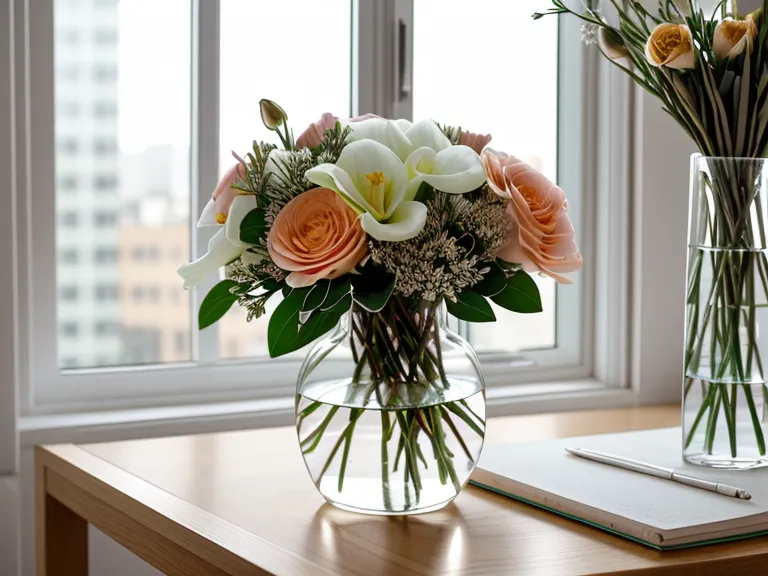
Here's the rule I actually use now, and it has nothing to do with which bouquet photographs best. Before I trust a same-day badge, I look for the cutoff time in the fine print, not the banner. Before I trust a listing photo, I check whether the service has a track record of sending a delivery photo back, because a company willing to show you the actual box has less reason to hide a downgrade.
That rule paid off this spring. Forty minutes after the delivery window closed, my mother sent a photo before she'd even gotten the cellophane fully off the stems, the plastic still crackling back in the shot, and it was the same mix of blooms and the same color balance I'd clicked on the listing page days earlier, nothing swapped, nothing thinner than advertised. That's a low bar, honestly, but it's the bar that most listing photos quietly fail to clear.
For everyday sends where tracking accuracy matters more than a flawless arrangement, From You Flowers is still the one I reach for most, especially when I need to trust the delivery window without babysitting the order.
If you're sending something this week, skip any service that buries its substitution policy in fine print you have to go hunting for. From You Flowers is a solid pick when price and tracking both matter, and when the order is headed to a major metro area where an established network counts for more, FTD for more traditional metro deliveries is worth a look instead. Just read the cutoff time before you trust the badge.