Three time zones separate the people I send flowers to most often, my mother's zip code aside, and that gap is where almost every flower delivery question in my inbox actually starts. Readers want to know if the arrangement will look like the photo, if it will show up before the event starts, and if the recipient will know I paid for something better than the cheapest tier. Most of the delivery services named on this page carry affiliate links, and ordering through one earns me a commission at no extra cost to you. Every service below got tested with real money on real occasions, birthdays, sympathy arrangements, baby showers for long-distance friendships that started in college, and enough apology bouquets sent to my sister-in-law that I keep a separate tab just for her order history.
Why I Track Every Long-Distance Flower Delivery
The habit started with a spreadsheet, not a hobby. In March 2023 I ordered a sunflower-and-daisy mix for my mother's seventieth birthday, and a lily arrangement showed up at her door instead. She is allergic, and she spent her own birthday party sneezing through a house full of flowers I had paid to have delivered. That was the last time I trusted a listing photo without checking.
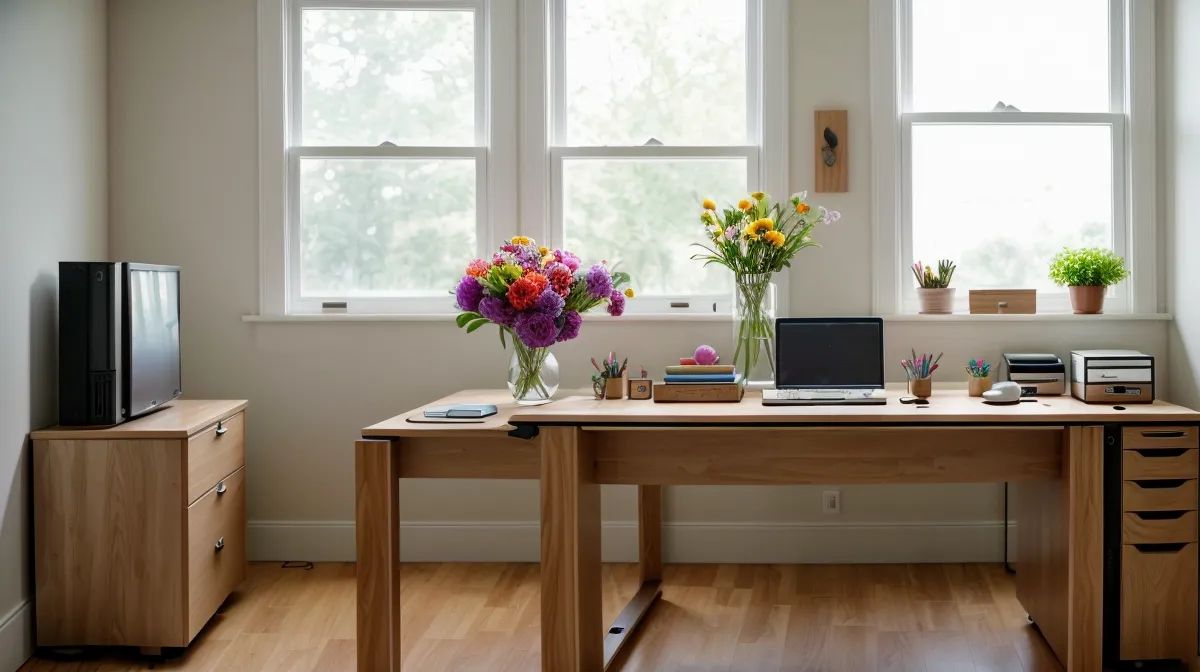
Past seventy rows now fill that spreadsheet, one for every order. I keep a window ledge clear in my second-floor office in Squirrel Hill so I can set a phone next to the laptop and photograph each delivery against the same background as the listing photo. A corkboard on the wall behind my desk has slowly filled with printouts, listing photo pinned next to delivery photo, and a stack of flattened delivery boxes sits in the corner because packaging quality tells you almost as much as the flowers do. Screening for allergy-safe species before ordering is its own small science by now, lilies first on the list to avoid, though that is a deeper topic than one paragraph can hold.
A friend in Oregon became the next real test. Crossing the 4 time zones between my desk in Pennsylvania and her porch meant I could not just glance at a clock and assume the delivery window matched what I was seeing on screen. I used Send Flowers to see whether their advertised everyday pricing actually held up once the mileage got serious.
Does a Dozen Always Mean Twelve Stems?
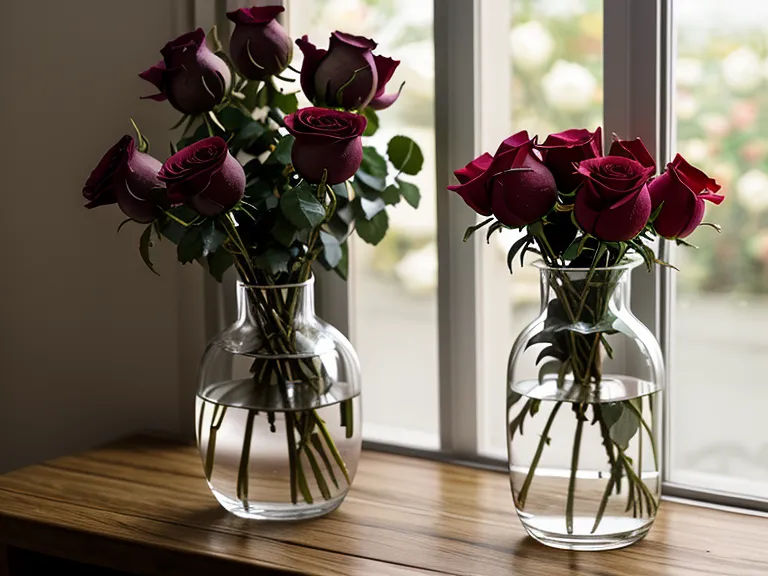
Stem count is where a lot of services quietly cut corners. A standard dozen should mean exactly 12 stems, not ten roses padded out with extra baby's breath to fill the same visual space. During the holiday rush in late autumn 2025 I sent a dozen roses to a colleague in Chicago specifically to test this. Send Flowers hit the full count, though the greenery was heavier than the listing photo suggested. Counting the stems only takes a few seconds, and it is the fastest way to catch a service padding volume instead of delivering what you paid for.
Same-Day Cutoffs and the Time Zone Problem
Same-day cutoffs are the other trap, since most national networks set that deadline in early afternoon local time and the gap disappears fast once a recipient sits several zones away. A reader named Shawn Edelstein emailed me after an earlier piece on FTD substitutions, and he tracks carrier transit times rather than trusting a delivery window promise alone. I have started copying that habit for anything crossing more than one time zone.
Early spring brought a direct comparison. I tested Send Flowers against From You Flowers across a handful of just-because deliveries, and the difference showed up in packaging before it showed up in the flowers themselves. My sister-in-law sent a video of herself unwrapping one of the apology bouquets, and the cellophane peeled off the stems with a thin, papery sound that told me exactly which price tier the order had landed in before I ever saw the flowers.
Will What Arrives Match the Listing Photo?
Metro deliveries and rural ones are not the same experience at all, and Send Flowers makes that split obvious. In cities like Denver or Chicago, their fulfillment partners keep a rotating stock of popular stems, so the bouquet that shows up usually resembles the listing closely. Once the delivery address moves to a rural zip code, the substitution rate climbs fast, mostly because small-town florists do not have the same access to less common stems on short notice.
A cousin's sympathy order last spring made that gap obvious in person. The listing showed white hydrangeas paired with blue delphinium, and the box that arrived held white carnations and purple pom-poms instead, a swap driven by the same local-availability problem behind most rural substitutions. For the mechanics of why this keeps happening, I have written up Why Online Flower Delivery Services Swap Out Specific Species Often, which is where that whole substitution policy question actually lives.
Photo accuracy is easiest to check with someone who reports back fast. My former colleague Brenda Taggart is one of my most frequent long-distance recipients, and she texts a photo of whatever arrives before I even think to ask. That fast feedback loop has made her deliveries some of the most reliable data points in the spreadsheet, and it is really the whole photo-listing-accuracy question in miniature: you only know if a service is honest once someone on the other end sends proof.
Buds, Not Blooms: What Shows Up Before the Occasion
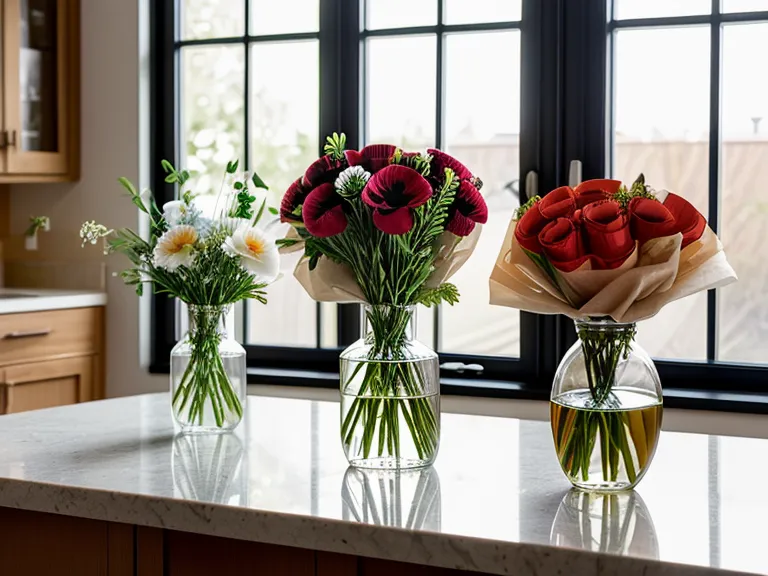
Bloom stage matters just as much as species. Flowers cut and shipped for shelf life often arrive nearly closed, and depending on the variety that can mean days before the bouquet looks anything like the photo. I remember unwrapping a delivery of lilies once and finding every stem still sealed tight in green bud, a good four days out from the peak bloom the arrangement was supposed to hit for the occasion it was meant for. There was nothing left to do but set them in water and hope the timing worked out before the guests arrived. If the occasion is date-sensitive, order a few days ahead of when you actually need the display at full bloom, not the day before.
Paying for "Premium" Does Not Guarantee an Upgrade
Premium tiers deserve some skepticism too. I tested the upgrade across a few services, including ProFlowers, and one sympathy order that showed up at the funeral home had quietly been logged as a standard-size arrangement somewhere between checkout and delivery. No email arrived, no call came in, and nothing flagged the downgrade before the box left the warehouse.
Vase quality tiers are a related sore spot, since ribbon and packaging change more often than the glass itself does, though that is really its own topic worth unpacking separately. What I have settled on is simple: if the vase matters as much as the flowers for the occasion, I confirm the tier by phone before the order goes out rather than trusting the upgrade checkbox alone.
Choosing Between FTD, From You Flowers, Teleflora, and Send Flowers
For high-stakes occasions like a funeral, where presentation actually matters, FTD [Editor's Pick] still gets my vote. Their network is the largest I have tested, and their substitution policy is easier to navigate for a refund when something goes wrong. For a lower-stakes check-in gift, From You Flowers usually wins on value, since their promotions run often enough that the price gap over competitors adds up. Out-of-state delivery logistics get complicated fast once you factor in local florist relay networks versus straight box shipping, which is really its own guide, but a walk down the boutique row along Butler Street in Lawrenceville is a good reminder of how different an in-person arrangement looks compared to anything that ships in a box. Teleflora leans hardest into that hand-delivered, florist-relay side of the divide, which is why I still reach for them over a box-shipped brand whenever the destination is a funeral home or a venue that will not accept an unarranged delivery.
Where Send Flowers Actually Fits in My Spreadsheet
Send Flowers occupies a specific niche in my spreadsheet now. It works best when I need a reliable delivery window in a major city and I am not attached to one specific species showing up. Add-on items like balloons or a keepsake tend to fulfill separately from the main bouquet, so it is worth checking whether they will actually arrive together before you assume they will. Send Flowers is rarely the most polished option, but it shows up on the day promised more consistently than several of the cheaper competitors I have tested.
If you are ready to send something today, Send Flowers is a dependable pick for a city delivery, as long as you keep your expectations realistic about vase upgrades and rural substitutions. For a broader side-by-side of how the different networks handle tight deadlines, my Same Day Flower Delivery Service Reviews cover more of the specific cutoff times and metro-versus-rural patterns I track across every order.