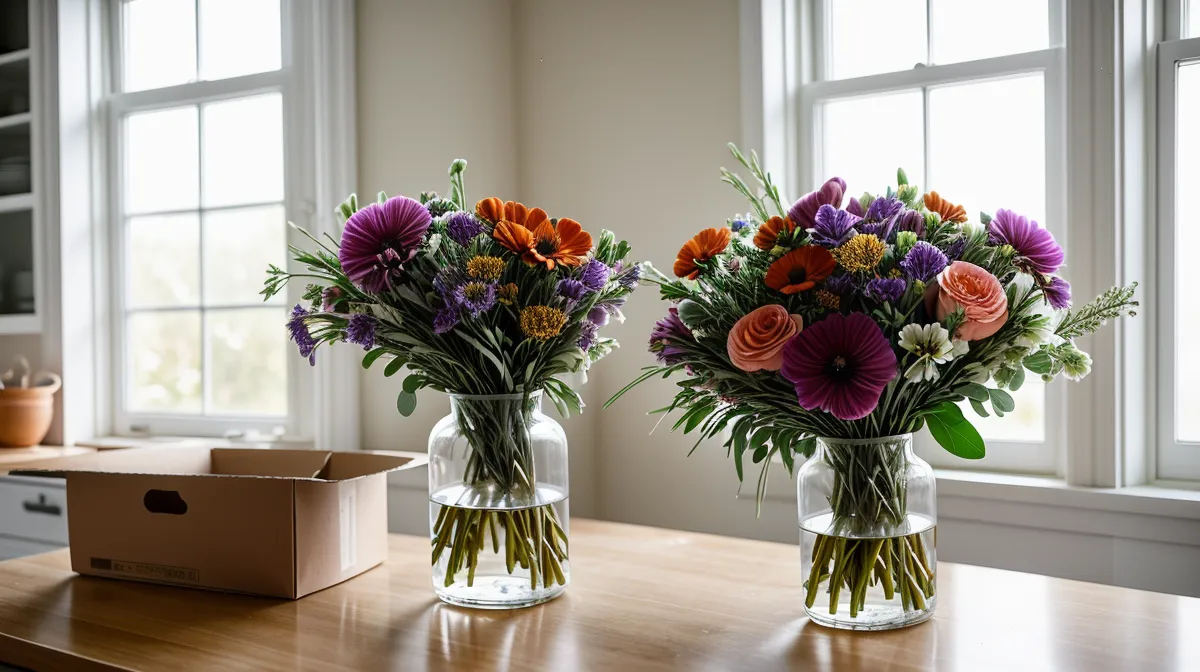
One hour. That's how much notice a local florist gave me by phone before telling me the peony variety on my order didn't exist anymore, with the delivery window closing that same afternoon. I'd called ahead specifically to avoid a repeat of an old mistake, standing in the parking lot at Giant Eagle Market District at Waterworks Mall with a grocery bag in one hand and my phone in the other, and the call still ended in a substitution I hadn't agreed to. That gap between what a flower delivery service promises and what it actually sends is the whole reason I keep a spreadsheet. Three years of logging floral substitutions, vase swaps, and late boxes have turned what started as one bad birthday bouquet into something closer to a running consumer advocacy file than a hobby.
The Categories a Flower Delivery Tracking Sheet Actually Needs
A tracking sheet only earns its place if it answers the same question every time: did what showed up match what was promised? My version logs the order date, the recipient, and the occasion, then sets a photo of the online listing beside a photo of the box on arrival, because photo-versus-reality is where most flower delivery reviews fall apart into vague impressions instead of evidence. Next to that sits a substitution column, since most services reserve the right to swap a listed species for something 'similar' without a call or an email first, and a vase column, because the Nav_wrapper__zWZi9 shown in the product photo and the one that actually arrives are rarely made from the same glass.
Two more columns matter just as much, even though they rarely make it into a glowing review. Same-day cutoff time is one: 'delivered today' does not mean the same thing first thing in the morning as it does shortly before a shop closes its truck for the day. Whether the delivery crossed a state line or a time zone is the other, since a bouquet promised for a Tuesday afternoon in Ohio and one promised for a Tuesday afternoon in Arizona are not moving through the same production schedule, and a service that hits its window locally can still miss it badly once distance gets involved.
The Lily Story That Started This, and What Allergy Labels Still Miss
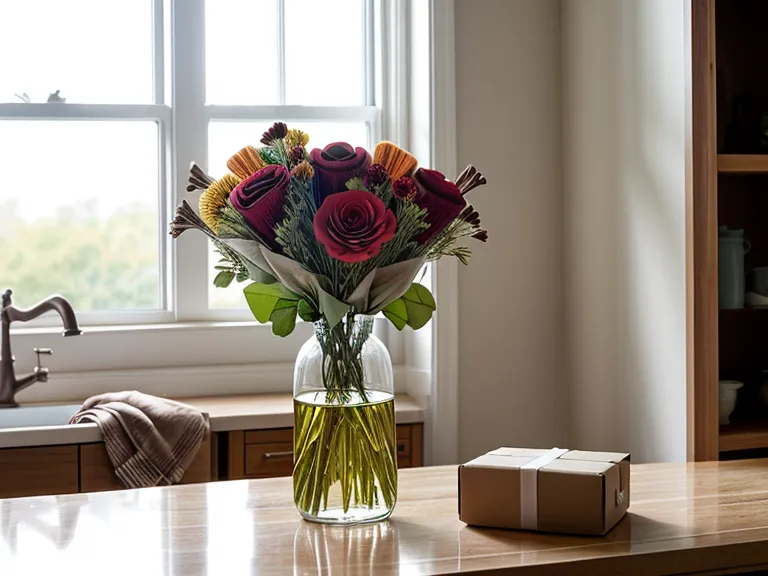
None of this started with peonies. It started with my mother's seventieth birthday, when I ordered a sunflower-and-daisy mix specifically because she is severely allergic to the Lilium genus, and the service sent lilies instead without a phone call or an email to flag the change. She spent her own party sneezing instead of opening cards. That single substitution is the reason every order since has a paper trail, and it is also why I wrote a longer account of the incident in Why I Started Photographing Every Bouquet: The Truth About FTD Substitutions rather than burying it in a single paragraph here.
Allergy safety is where most flower delivery sites still fall short, reduced to a single checkbox on an order form that does not always survive the trip to the local shop that fulfills it. I have laid out the specifics of choosing allergy-safe species separately in Finding Allergy-Safe Sympathy Flowers Without the Lily Sneeze, since the topic deserves its own answer rather than a footnote here.
Small Details Wreck a Bouquet Before the Big Ones Do
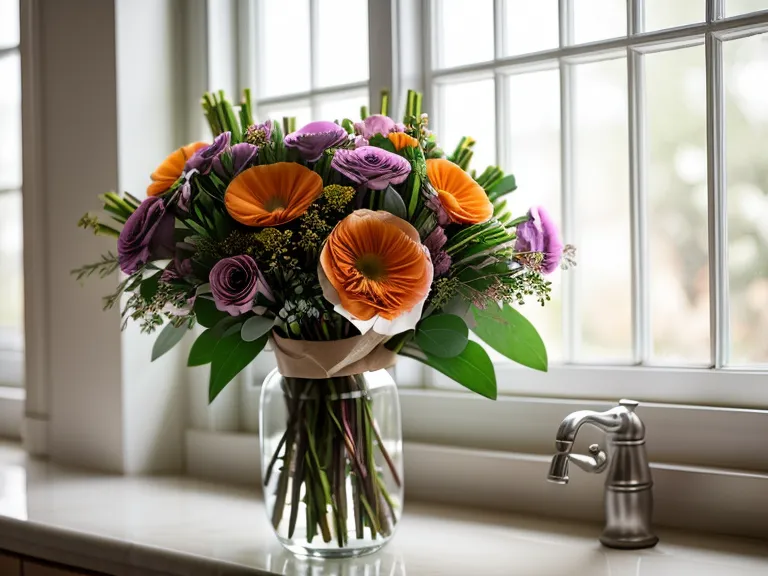
Floral foam causes more damage than people expect, and it shows up on my hands before it shows up in a review. Green residue on my fingers while unpacking a wilted arrangement for a cousin is a reliable sign the shop rushed the build, often paired with older stock pulled in to keep up with holiday volume. Keeping the box anywhere near a fruit bowl makes it worse, since Ethylene gas from ripening fruit will age out even a fresh delivery within a day or two, a detail almost no packing slip mentions.
Add-on items follow a similar pattern of quiet downgrading. Balloons, chocolate, and stuffed animals bundled onto an order are fulfilled by whichever local shop is filling the flowers, not by the national site taking the payment, so the same inconsistency that affects stem counts affects add-ons too. My former colleague Brenda has had more bouquets sent to her than almost anyone else on my list, and she has a rule of her own: one bad box from a service and she will not let me reorder from it again, no matter how the next listing photo looks. A reader named Shawn Edelstein, who emailed after an earlier piece about a substitution ran, has caught pricing mismatches in my own order log that I had missed, which says something about how easy the errors are to overlook even when you are the one keeping the sheet.
Why a Phone Call to the Local Florist Doesn't Always Save the Order
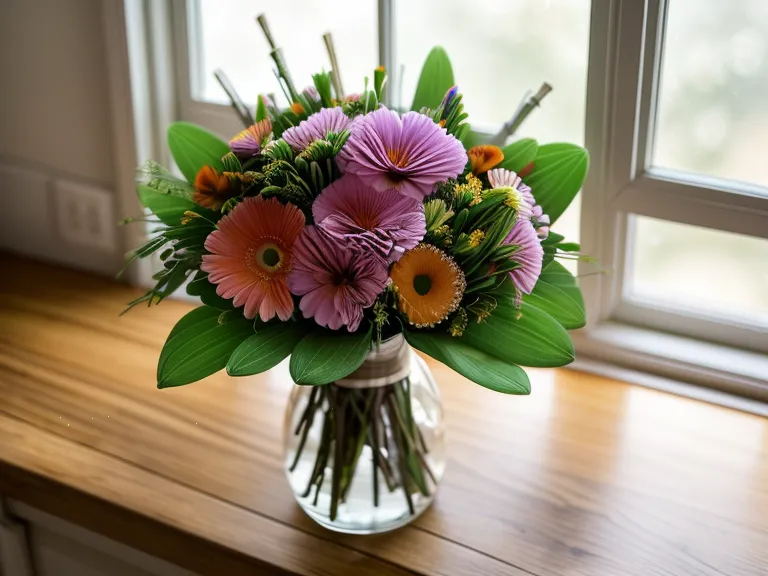
Calling ahead is supposed to be the workaround for all of this, and most of the time it helps: a direct call to a local shop means you can ask about current stem counts and request zero lilies in plain language instead of trusting a dropdown menu. It is not foolproof, though. During a call about a peony order near Giant Eagle Market District at Waterworks Mall, I had confirmed availability with the shop directly, only to be told an hour before the delivery window that the peonies had gone to walk-in customers instead. Nobody called to warn me first. The order shipped anyway, quietly reclassified into a different mix I never approved, the same kind of silent swap I wrote about in Why Local Florist Flower Delivery Beats Shipped Boxes for Big Events.
Reading Three Years of Rows for a Straight Answer
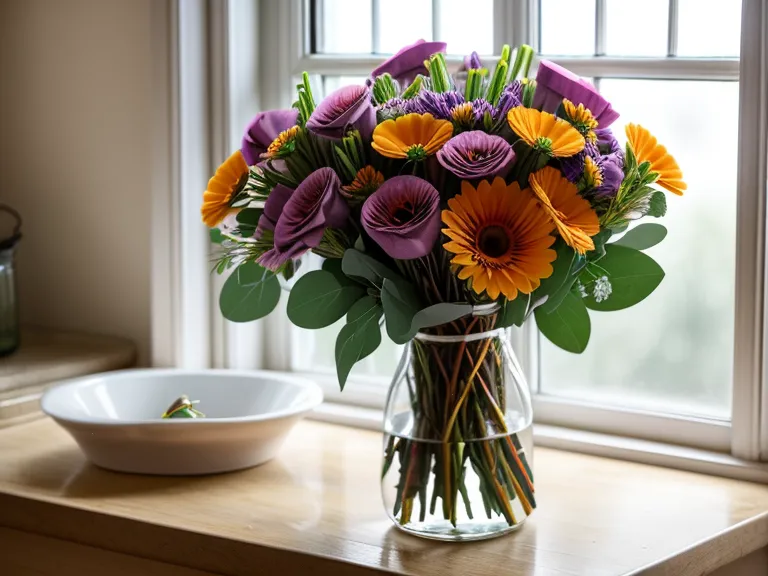
What the rows add up to is not a rating system, it is a pattern. Services that call before substituting keep showing up in the good column, and services that stay silent keep showing up in the other one, no matter how the homepage photos look this season. My sister-in-law called me instead of texting to say a delivery landed exactly right once, and the switch from her usual one-line text to an actual phone call told me more about the quality of that box than the message itself did. That is the standard I use now before recommending anything: does the service tell you before it changes your order, not after.
A basic spreadsheet with photos attached does the job without needing anything fancier, though at least one long-term tester on this site has turned the same idea into a formal twelve-month methodology worth reading for the deeper version. For anyone sending flowers for a birthday, a funeral, or an apology across state lines, the gift-giving occasion matters less than whether the company treats a substitution as information you deserve to have before the box leaves the shop, not after.