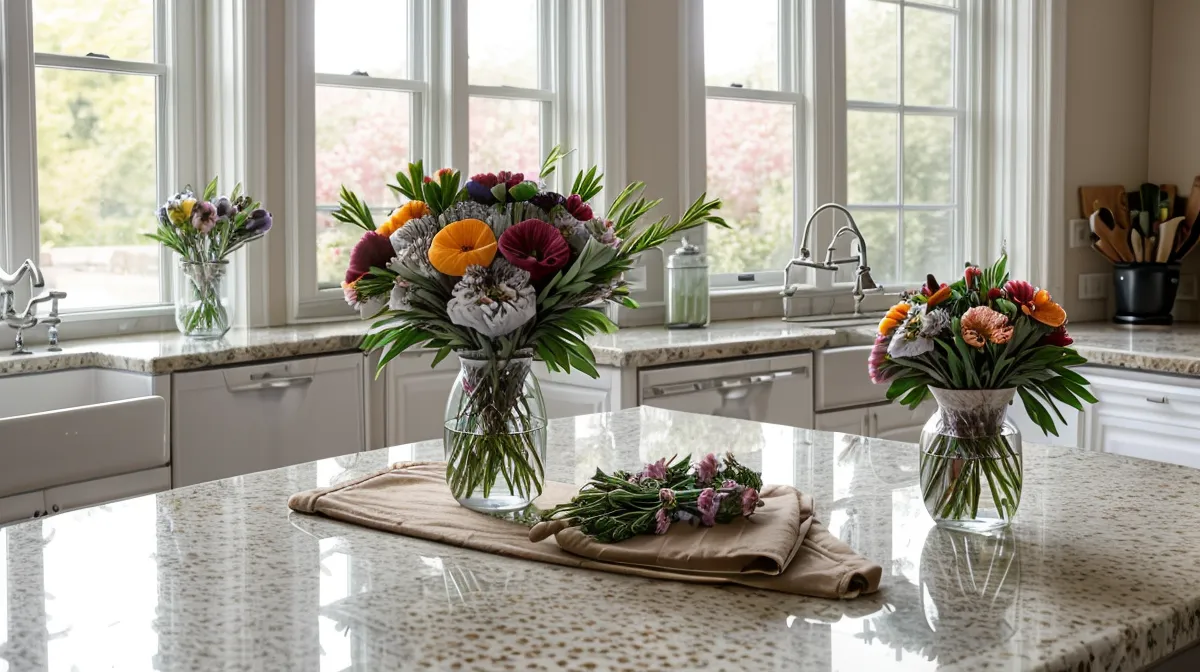
Late one afternoon last spring, I stood in my mother's living room watching her sneeze through her seventieth birthday party because a 'sunflower' bouquet arrived as a vase full of highly allergenic lilies. The order confirmation specifically showed a sunny mix of sunflowers and daisies, but what sat on her coffee table was a fragrant, pollen-heavy disaster that forced her into the kitchen while guests ate cake. Since that afternoon, I haven't taken a service's word for it; I started a spreadsheet.
The HR Consultant Approach to Floral Documentation
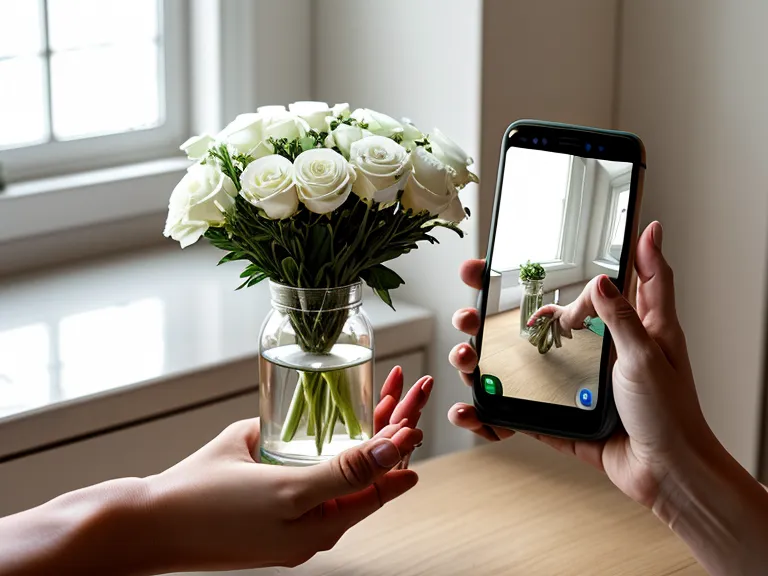
As an HR consultant in Pittsburgh, I live by documentation and verifiable performance metrics. If an employee misses a window, it’s recorded. If a deliverable doesn't match the contract, it’s flagged. I applied that same logic to every bouquet I’ve ordered since March 2023. This wasn't about being a floral designer or an expert in botany; it was about being a buyer who got tired of paying $89 for a 'premium' arrangement and receiving a grocery-store-tier bundle. I began photographing every arrival side-by-side with the website's 'hero shot,' documenting deliveries to cousins in different time zones and my sister-in-law two states over.
Living in Pittsburgh, which sits in USDA Hardiness Zone 6b, I understand that local flower availability shifts with the seasons. However, that doesn't excuse the lack of transparency I've seen in my tracking. My spreadsheet now contains fifty detailed entries, each noting the stem count, the specific species substituted, and the delivery timing. I have sent flowers across all 4 major US time zones to reach college friends, and the results have been wildly inconsistent. I’ve learned that a service might impress me once and never repeat it, or they might disappoint me twice in a row before I finally move on to a different provider.
When 'Same-Day' Triggers the Substitution Clause
I realized that 'same-day' windows often trigger a secret substitution clause buried in the fine print. When you click that rush delivery button, you are essentially giving a local shop permission to use whatever is left in the cooler. In mid-summer, I had the sinking feeling of seeing a 'sympathy' bouquet arrive in neon orange when the order confirmation clearly showed muted whites and lavenders. It was for a cousin's funeral, and the vibrant, clashing colors felt almost disrespectful in that quiet room. The service didn't call to ask; they just filled the order with what they had on hand.
In my The Spreadsheet Method: What I Learned Tracking Dozens of Flower Deliveries After One Major Substitution Error, I documented how often these swaps happen without a single notification to the sender. If you're paying for a specific aesthetic, a substitution that changes the entire color palette is a failure of service. I’ve seen premium species like ranunculus quietly swapped for cheaper fillers like carnations or poms. While most major floral wire services include a substitution policy allowing local florists to swap flowers based on seasonal availability, the lack of communication is what usually ruins the gesture.
The Hardware Problem: Vases and Water Quality
One detail the glossy website photos always hide is the quality of the 'included' vase. I’ve started measuring the glass thickness of every delivery. During one audit late last month, I felt the sticky, greenish residue of old floral water on my fingers while measuring the thickness of a 'premium' glass vase that felt like a jam jar. It was supposed to be a heavy, flared crystal-style vase for a $135 arrangement, but what arrived was a thin, cylindrical piece of glass that felt like it would tip over if someone sneezed too hard near it.
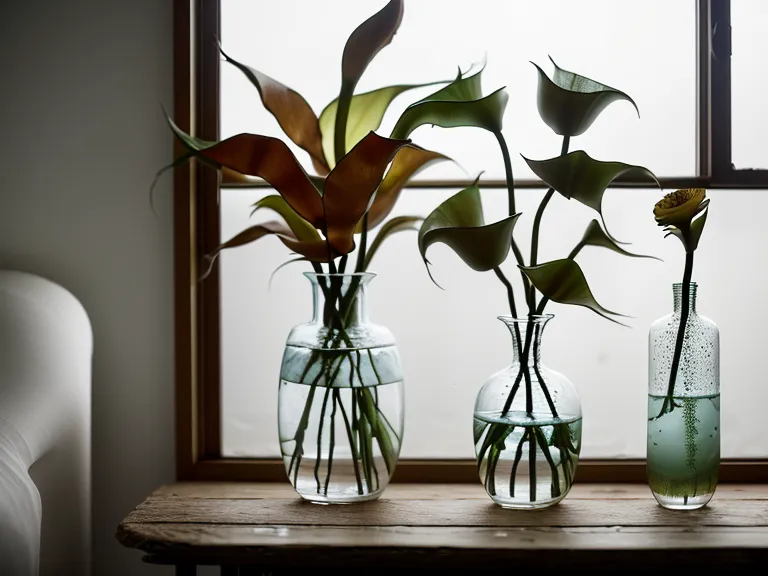
This downgrade in hardware is a quiet way for services to maintain margins. If they can't save money on the stems, they save it on the glass. I also pay attention to the water. If the water arrives murky, it’s a sign the flowers were sitting in the shop for days. Ethylene gas produced by ripening fruit in a kitchen can cause cut flowers to wilt, but starting with dirty water ensures they won't last forty-eight hours. I’ve detailed these longevity issues in my notes on The Spreadsheet Doesn't Lie: What My Tracking of Fifty Flower Deliveries Taught Me About Substitution Policies, where I track how many days each bouquet actually survives.
The Holiday Trap: Why Same-Day is a Gamble
If there is one hard rule I’ve added to my spreadsheet, it’s this: avoid ordering flowers for same-day delivery on major holidays. Whether it's Valentine's Day or Mother's Day, the logistical constraints are too high. Shops often use lower-grade, older inventory to manage the high-volume demand. When I ordered a standard rose dozen—exactly 12 stems—for a friend’s promotion last February, the 'same-day' rush meant I received roses that were already fully blown open. They looked spectacular for exactly four hours before the petals began to drop.
The inventory used for holiday same-day orders is often the stock that didn't make the cut for the pre-orders placed a week in advance. You are paying a premium price for the leftovers. I’ve found that even if you're sending an apology bouquet to a sister-in-law, it’s better to have it arrive a day late than to have it arrive looking like it was rescued from a clearance bin. It's helpful to look at my Longest Lasting Flowers for Delivery Based on My Recent Bouquet Tests to see which species actually survive the stress of holiday shipping better than others.
Final Audit Reflections
Fifty spreadsheet entries later, I’ve learned that the true value of a service isn't the photo on the screen, but the honesty of their substitution policy when the local shop runs low. I am no longer sentimental about the process. I don't expect perfection, but I do expect the $90 I spend to reflect the itemized list I agreed to. If a service quietly substitutes the main attraction for a cheaper alternative, I record it, I photograph it, and I find a new service for the next delivery. The documentation doesn't lie, and neither does a side-by-side photo of a 'premium' bouquet that looks like a supermarket afterthought.